Back
Computer Vision

Matching Furniture by Structural Design, Not Color or Photography

A proposed four-stage visual matching pipeline that identifies the same furniture product across color, finish, and staging variations by comparing structural design rather than pixels.
August 21, 2026
Share
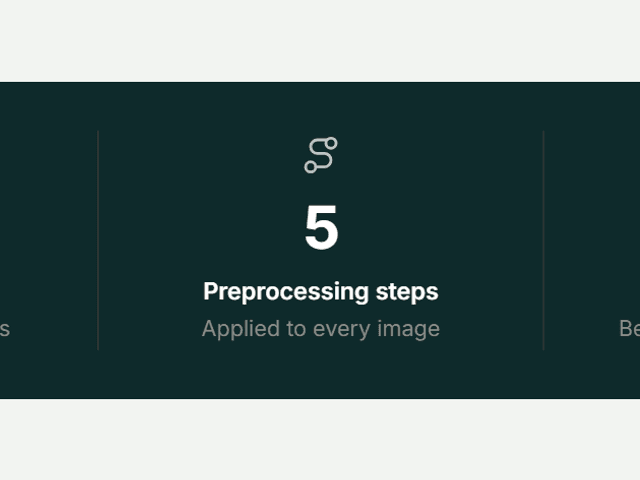
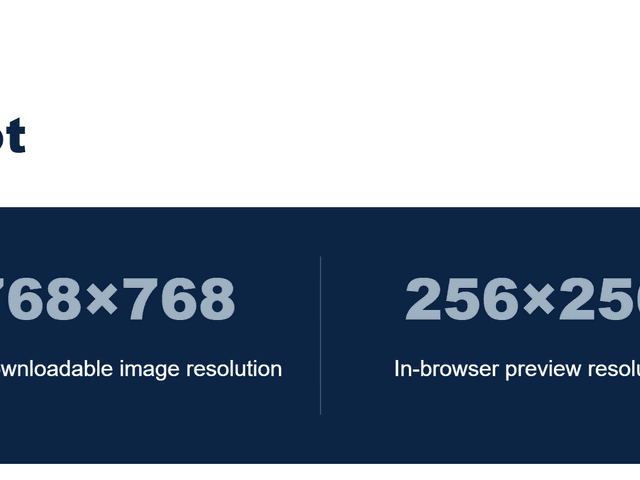
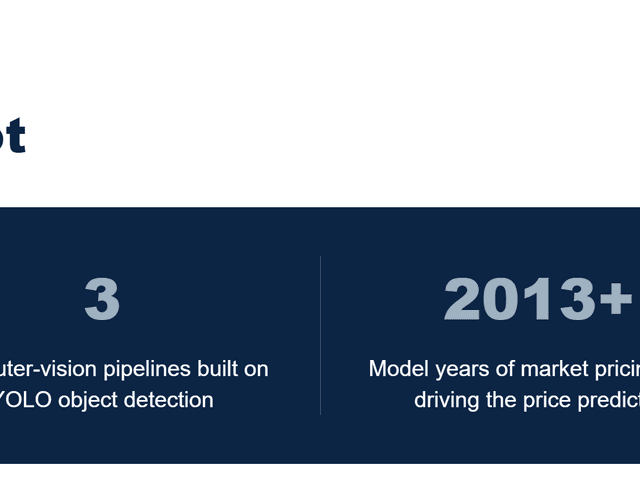
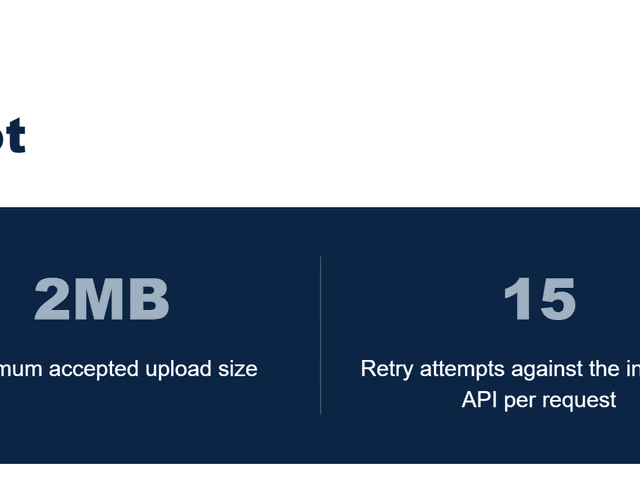
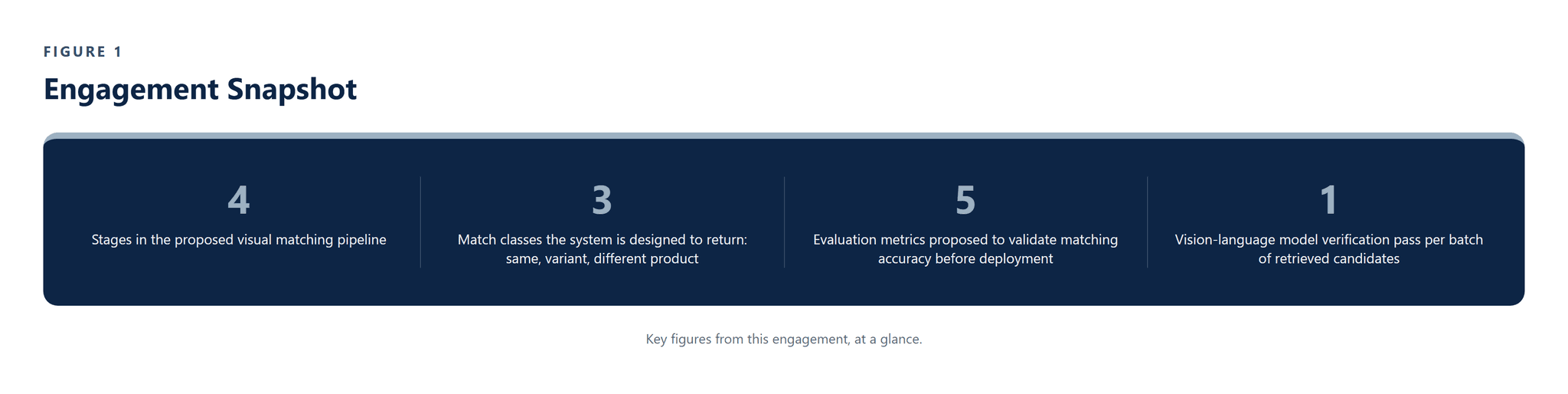
ENGAGEMENT SNAPSHOT

CS-018_Furniture_Variation_Identification image 1
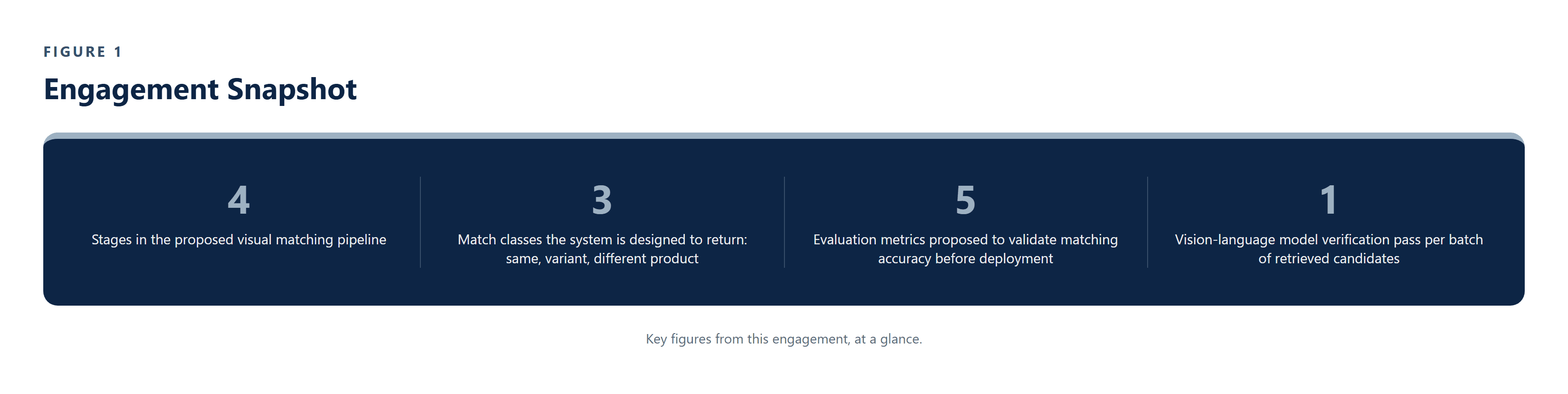
Figure 1 - Key figures from this engagement, at a glance.
EXECUTIVE SUMMARY
Our client's product catalog included the same furniture design available across many color, finish, and fabric variations, but traditional image search matched on visual attributes like color and lighting - producing inaccurate results whenever the same design appeared in a different finish, or missing genuine matches entirely because the photography conditions differed.
Pfactorial Technologies proposed an AI-powered visual matching system built to ignore exactly those cosmetic differences - wood type, paint or fabric color, hardware, lighting, background, and viewing angle - and instead compare structural design: overall shape, proportions, drawer and door layout, shelf placement, leg and base design, and panel configuration.
The proposed pipeline separates detection, structural embedding, retrieval, and verification into four distinct stages, each doing one job well, so that identifying whether two products are the same item, a variant, or a genuinely different design becomes a structured, explainable decision rather than a single opaque similarity score.
Why this engagement is representative This engagement demonstrates Pfactorial's approach to visual search problems: separating what looks different (color, lighting, staging) from what actually defines a product (structural design), and proposing a validation dataset and metric set before any matching threshold is finalized.
THE CHALLENGE
Matching furniture products by appearance alone breaks down the moment the same design ships in more than one finish. Several distinct problems needed solving together.

1. The same design ships in many cosmetic variations

Traditional image search relies on visual attributes such as color, finish, lighting, and photography, which produces inaccurate results whenever the same underlying furniture design is available in a different variation.

2. Customer photos are cluttered with irrelevant context

Customer-uploaded images routinely include walls, floors, rugs, decorative objects, plants, or other furniture alongside the item being searched for, which degrades matching accuracy if not removed before comparison.

3. Catalog products have multiple images per item

Most furniture products are photographed from several viewing angles, so relying on a single catalog image per product misses genuine matches captured from a different angle than the reference photo.

4. Similarity alone can't distinguish variant from different product

Embedding similarity is a useful retrieval signal but isn't, by itself, a reliable final verdict on whether two items are the same product, a product variant, or a genuinely different design - that decision needs an explicit verification step.
The real brief Not "find visually similar images" but "identify the same underlying furniture design, regardless of color, finish, lighting, or which angle it was photographed from."
THE SOLUTION
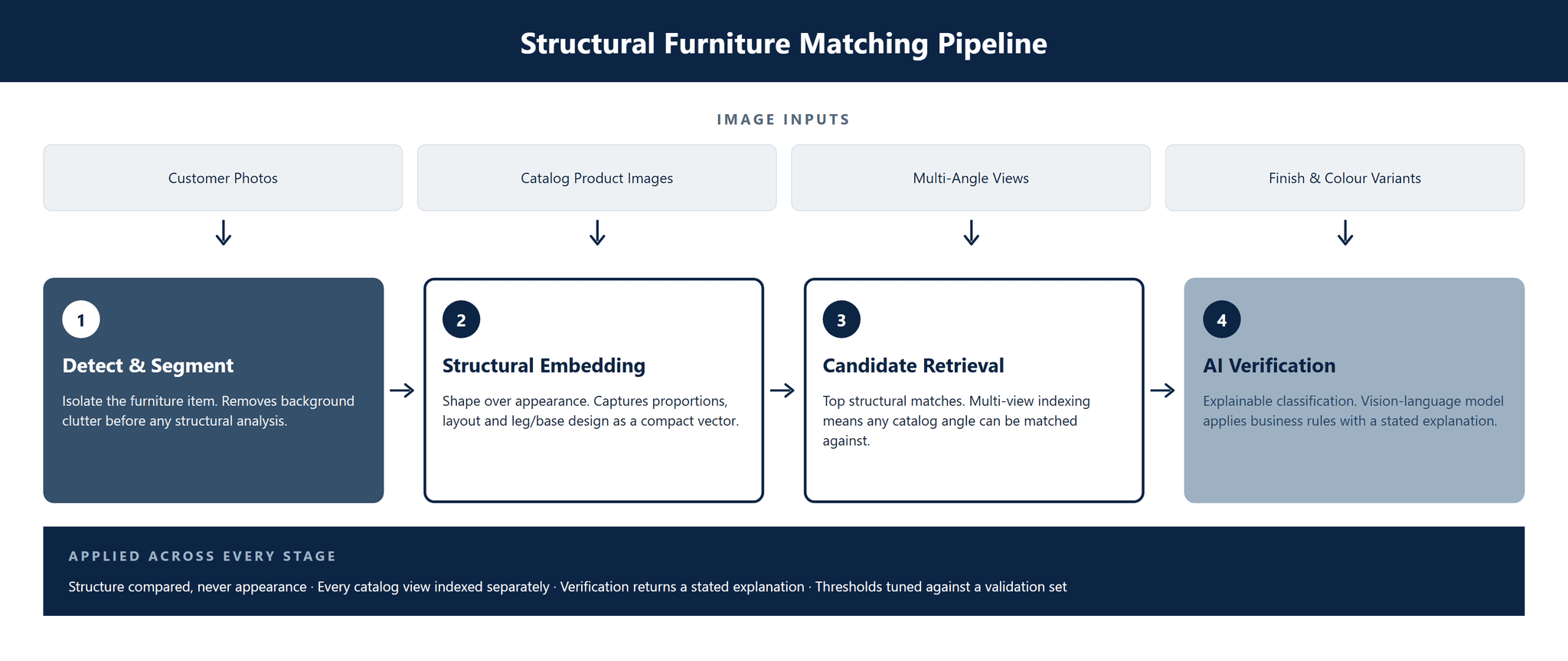
Pfactorial proposed a four-stage pipeline that isolates the furniture item, extracts its structural characteristics as a searchable embedding, retrieves the closest catalog candidates, and verifies the result with an explicit business-rule check.
CS-018_Furniture_Variation_Identification image 2
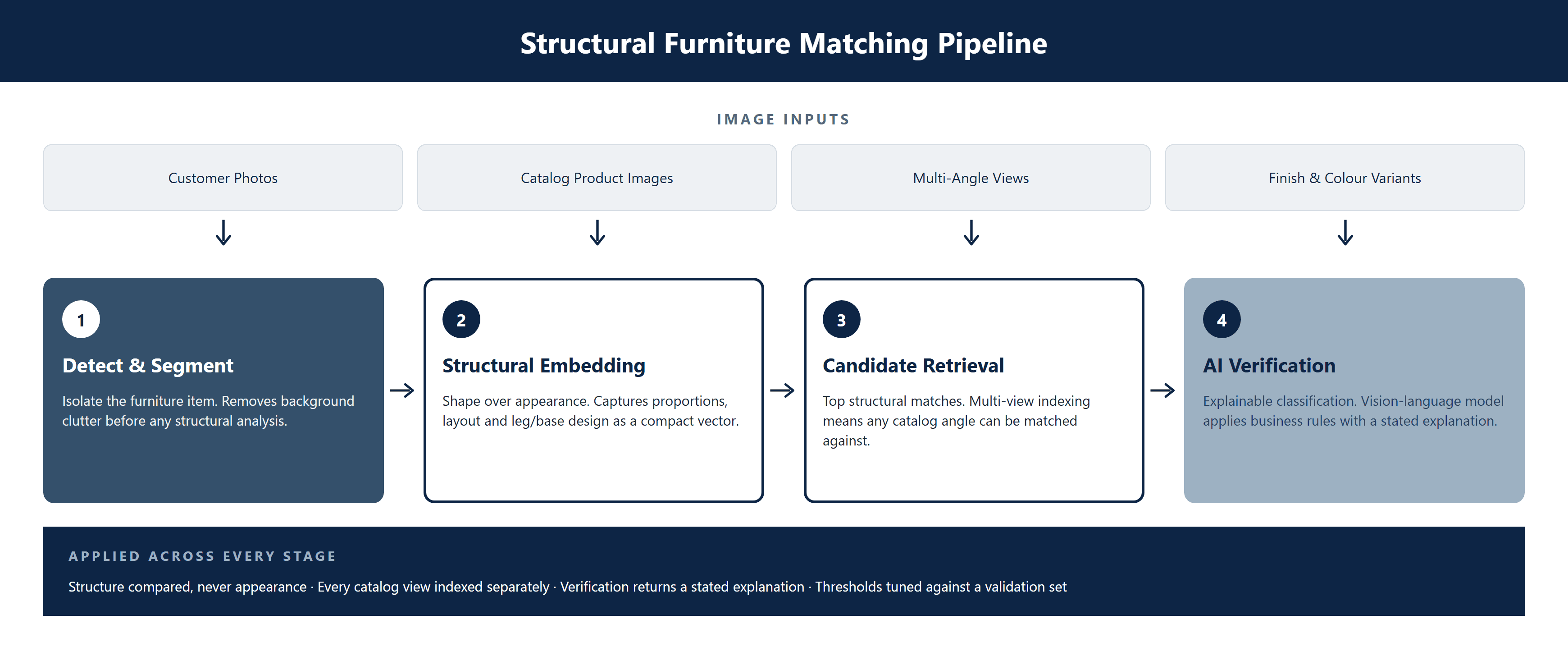
Figure 1 - Proposed four-stage pipeline: detection & segmentation, structural embedding, candidate retrieval, and AI verification.

Architectural principles

  • Isolate the item before analyzing it - detection (YOLOv11) locates the furniture object, and segmentation (SAM 2) removes background clutter, so downstream structural analysis focuses exclusively on the product rather than its surroundings.
  • Structure, not appearance, drives the match - a dedicated vision embedding model extracts shape, proportions, drawer and door layout, and leg design into a compact structural representation, deliberately excluding the cosmetic signals a naive image search would over-weight.
  • Every catalog view is indexed, not just one - each product image is indexed individually across all available viewing angles, and similarity scores across views are combined before ranking, so a customer photo from an unfamiliar angle can still match correctly.
  • Retrieval narrows, verification decides - vector search returns only the top structurally similar candidates for AI verification, rather than asking a single model to search the entire catalog and judge the result in one pass.
CAPABILITIES DELIVERED
The proposed system's capabilities span the full path from a raw product photo to a classified, explained match.
CAPABILITY
WHAT IT DOES
Furniture Detection & Segmentation
YOLOv11 detects the primary furniture item; SAM 2 segments it cleanly from background clutter before any structural analysis runs.
Structural Feature Embedding
A vision embedding model converts the isolated furniture image into a compact representation of its shape, proportions, and structural details.
Multi-View Product Indexing
Every catalog image is indexed independently across all product views, with similarity scores combined per product before ranking results.
Vector Similarity Retrieval
A vector database returns only the top structurally similar candidates, keeping downstream verification fast and cost-efficient.
AI Verification Against Business Rules
A vision-language model classifies each candidate as Same Product, Product Variant, or Different Product, with a stated explanation for its decision.
Batched Verification for Efficiency
Multiple retrieved candidates are evaluated within a single vision-language model request to reduce latency and inference cost.
CS-018_Furniture_Variation_Identification image 3
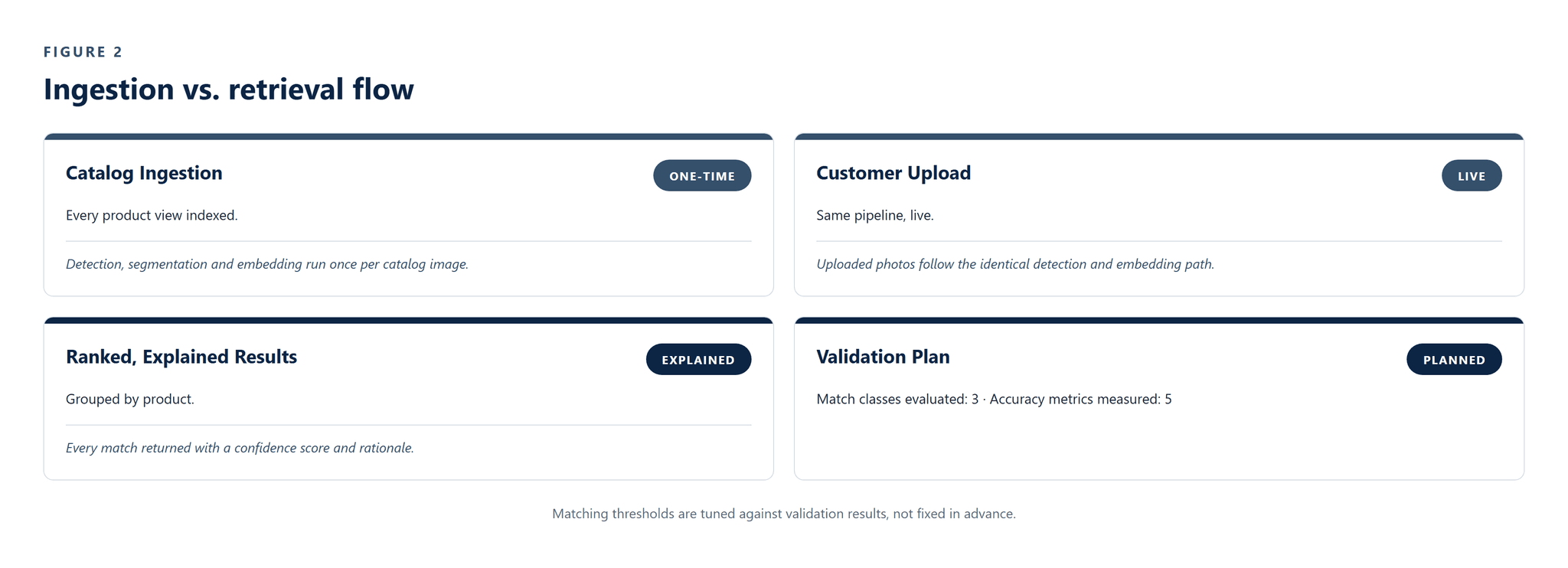
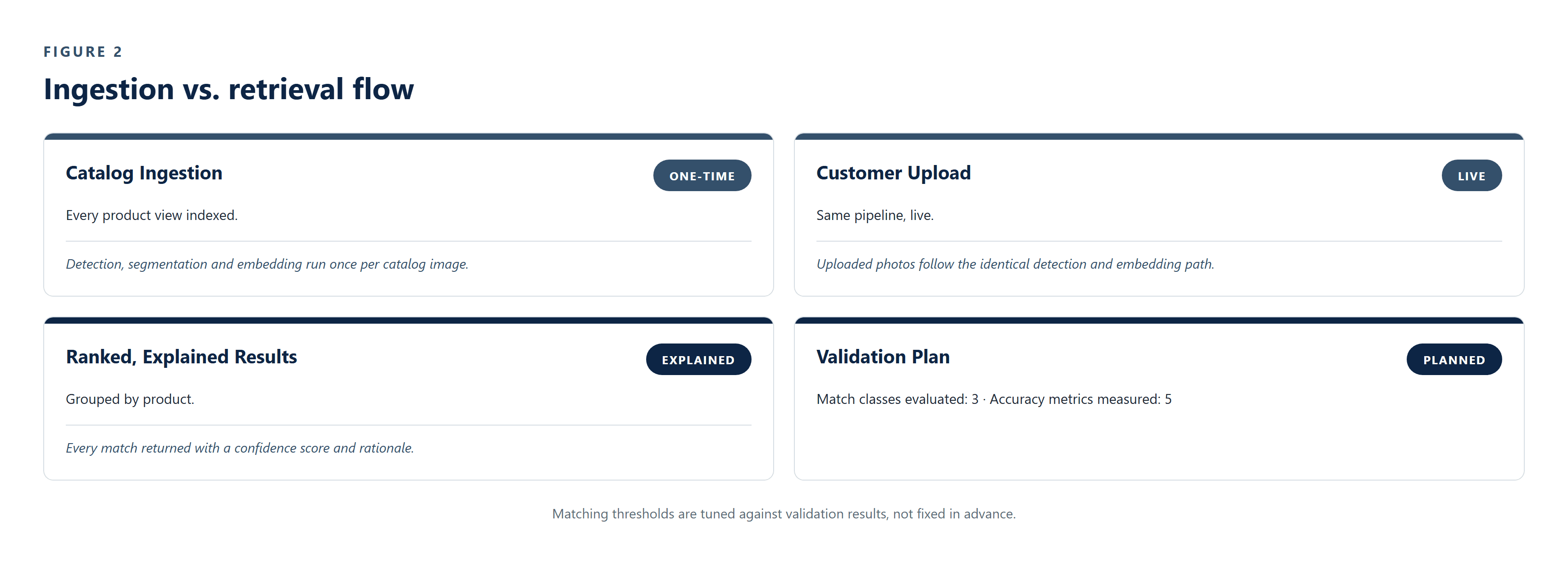
Figure 2 - Product ingestion and retrieval flows: how a catalog is indexed once, and how a customer upload is matched against it.
Design note The proposed evaluation plan calls for a purpose-built validation dataset spanning same-product, variant, and different-product examples, measured on Top-1 match accuracy, retrieval accuracy, classification accuracy, precision/recall, and false positive rate before matching thresholds are finalized for deployment.
ENGINEERING FOR SCALE AND RELIABILITY
Several design decisions in the proposal target the specific failure modes a naive image-matching approach runs into with real furniture catalogs.

Segmentation runs before embedding, not after

removing background clutter with SAM 2 ahead of the structural embedding step keeps the embedding model focused on the product itself, improving consistency between customer photos and catalog images shot in very different settings.

Verification is explanation-bearing, not a bare label

the vision-language model is asked to return its classification alongside an explanation supporting the decision, so a Same Product / Variant / Different Product call can be reviewed rather than trusted blindly.

Multi-angle matching is designed in, not bolted on

indexing each catalog image separately, then combining per-product similarity scores across views, is the specific mechanism that lets the system recognize the same product from an angle the catalog photography never captured.

Retrieval and verification are cost-aware by design

only top candidates from vector retrieval proceed to the more expensive vision-language verification step, and multiple candidates are batched into a single verification request to control latency and inference cost at scale.

A dedicated vector database, not a bolt-on index

structural embeddings are stored in Qdrant specifically to keep similarity search fast and accurate as the product catalog grows into a large collection of images.

Evaluation is planned before deployment, not after

the proposal specifies the validation dataset composition and the five accuracy metrics it will be measured against up front, so matching thresholds are tuned against real evidence rather than adjusted reactively once the system is live.
DELIVERY APPROACH
As a proposal, the engagement's phases describe the intended build sequence for the pipeline.
1. Build detection and segmentation - integrate YOLOv11 for furniture detection and SAM 2 for background segmentation, producing a clean, isolated furniture image for every input.
2. Build the structural embedding pipeline - apply the preprocessing pipeline (resize, quality validation, normalization) and generate structural embeddings for every catalog image and view.
3. Index the catalog - store embeddings and associated product metadata in Qdrant, indexing each product view independently while preserving the relationship between views of the same product.
4. Build retrieval and verification - implement vector similarity search for top-candidate retrieval, followed by batched vision-language model verification against the defined business rules.
5. Build and run the validation dataset - assemble a labeled validation set spanning same-product, variant, and different-product examples to measure accuracy before deployment.
6. Tune matching thresholds - optimize thresholds against the validation results to deliver reliable, consistent product recommendations in real-world use.
RESULTS AND IMPACT

CS-018_Furniture_Variation_Identification image 4
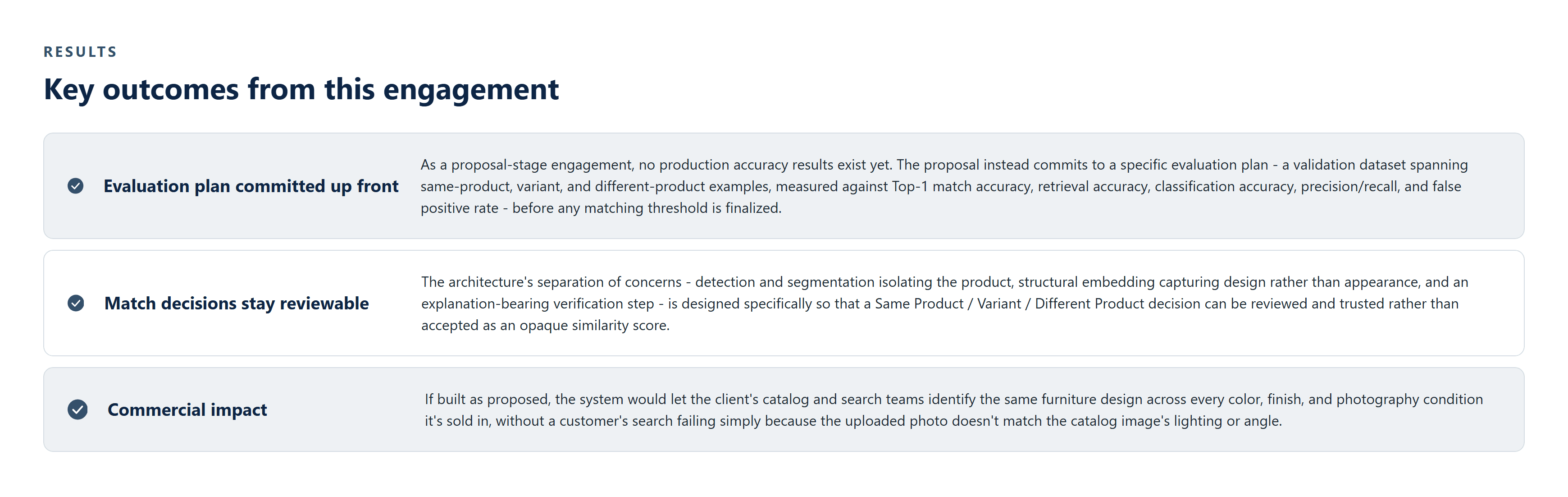
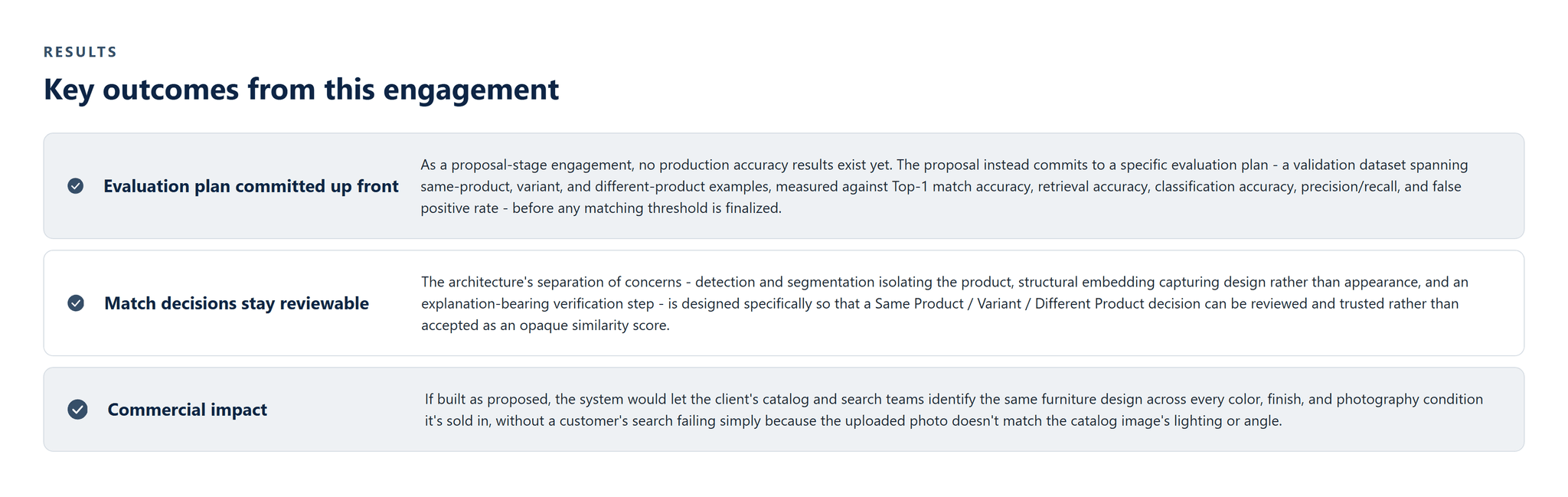
Figure - Key outcomes from this engagement.
As a proposal-stage engagement, no production accuracy results exist yet. The proposal instead commits to a specific evaluation plan - a validation dataset spanning same-product, variant, and different-product examples, measured against Top-1 match accuracy, retrieval accuracy, classification accuracy, precision/recall, and false positive rate - before any matching threshold is finalized.
The architecture's separation of concerns - detection and segmentation isolating the product, structural embedding capturing design rather than appearance, and an explanation-bearing verification step - is designed specifically so that a Same Product / Variant / Different Product decision can be reviewed and trusted rather than accepted as an opaque similarity score.

What it enabled commercially

If built as proposed, the system would let the client's catalog and search teams identify the same furniture design across every color, finish, and photography condition it's sold in, without a customer's search failing simply because the uploaded photo doesn't match the catalog image's lighting or angle.
WHY PFACTORIAL
This engagement draws on Pfactorial's AI product engineering capability: designing visual matching systems around what genuinely defines a product rather than what's easiest to compare pixel-for-pixel, and specifying how a design will be measured before committing to a deployment threshold.
CS-018_Furniture_Variation_Identification image 5
Figure - Service lines this engagement draws on.
Engagement enquiries Pfactorial Technologies works with retail and catalog teams whose visual search struggles with color, finish, and staging variation. If you are evaluating whether a structural matching system is worth building properly, we are happy to give you an honest read on scope, cost, and risk before anyone commits to anything. · pfactorial.ai
APPENDIX A - TECHNOLOGY STACK
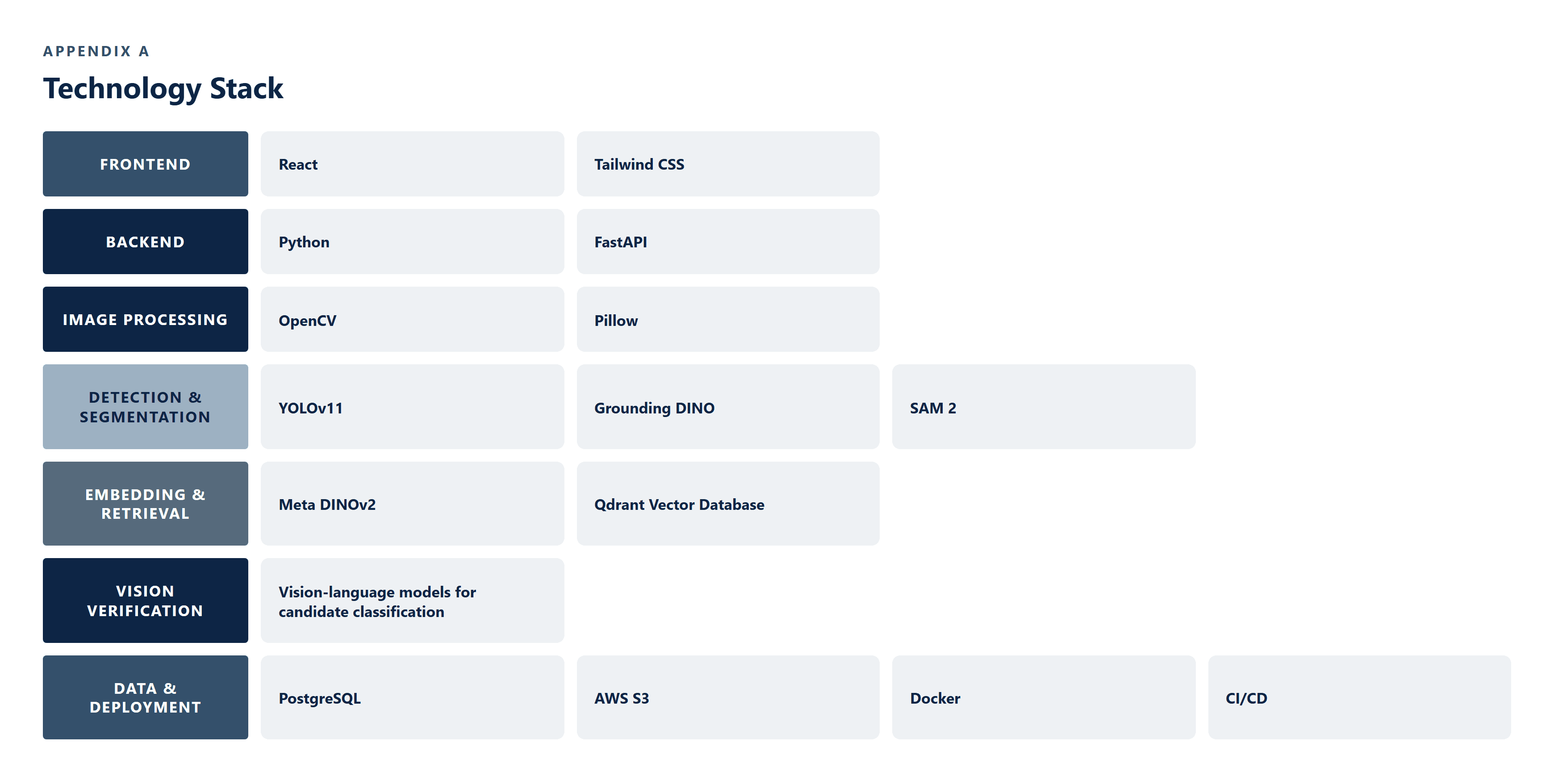
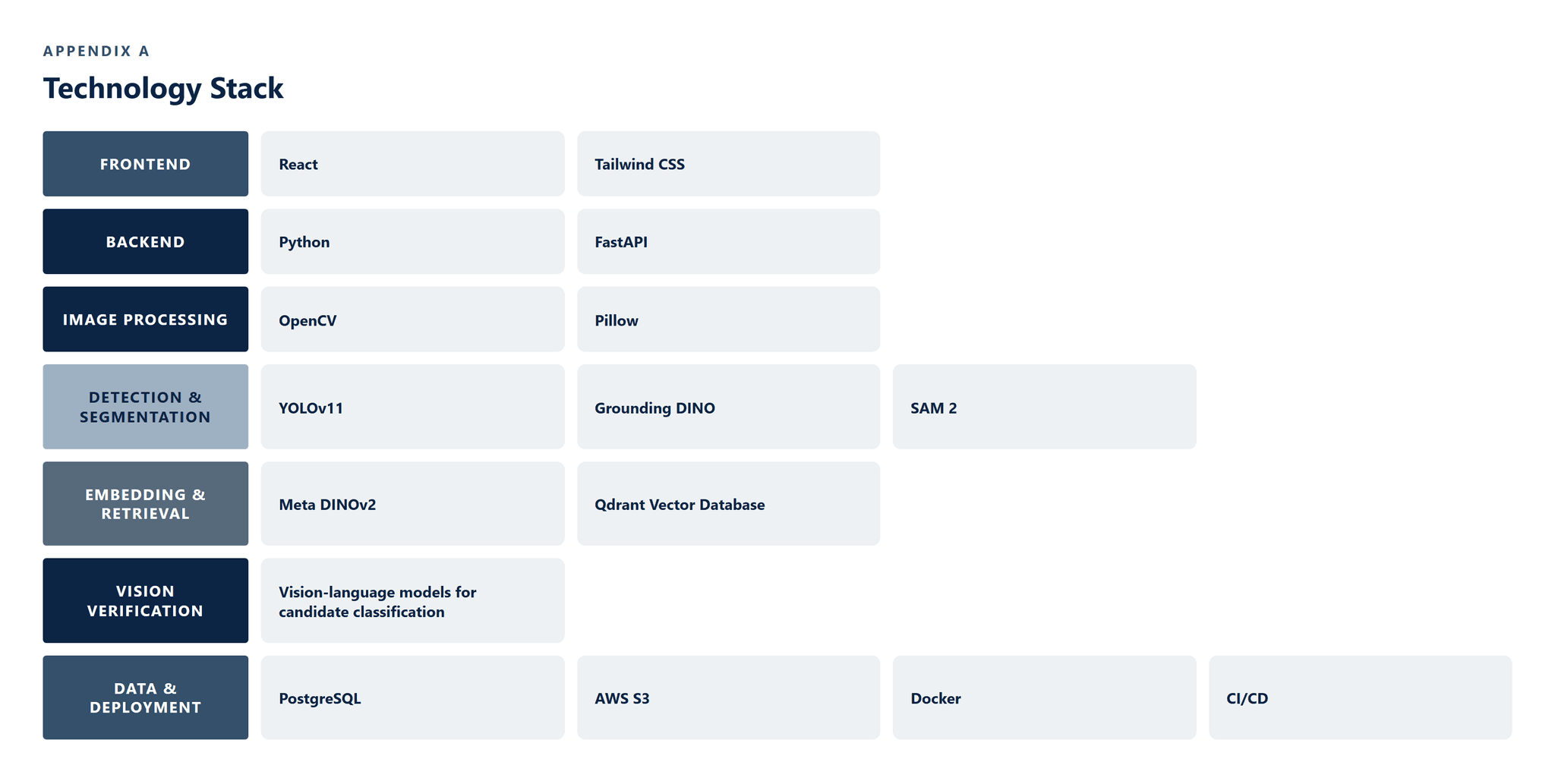
The technology stack underpinning the system, grouped by the layer it serves.
CS-018_Furniture_Variation_Identification image 6

Result and Analysis

ENGAGEMENT SNAPSHOT

A proposed four-stage visual matching pipeline that identifies the same furniture product across color, finish, and staging variations by comparing structural design rather than pixels.
CS-018_Furniture_Variation_Identification image 1
CS-018_Furniture_Variation_Identification image 2
CS-018_Furniture_Variation_Identification image 3
CS-018_Furniture_Variation_Identification image 4
CS-018_Furniture_Variation_Identification image 5
CS-018_Furniture_Variation_Identification image 6