Back
OCR & Document Extraction

A Provider-Independent Platform for High-Volume Search Results Collection

How Pfactorial Technologies built a five-stage pipeline that turns any volume of search queries into clean, provider-independent structured data through one API.
August 21, 2026
Share
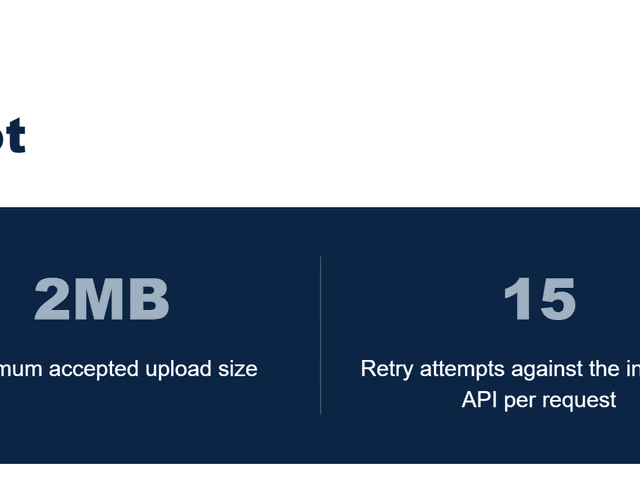
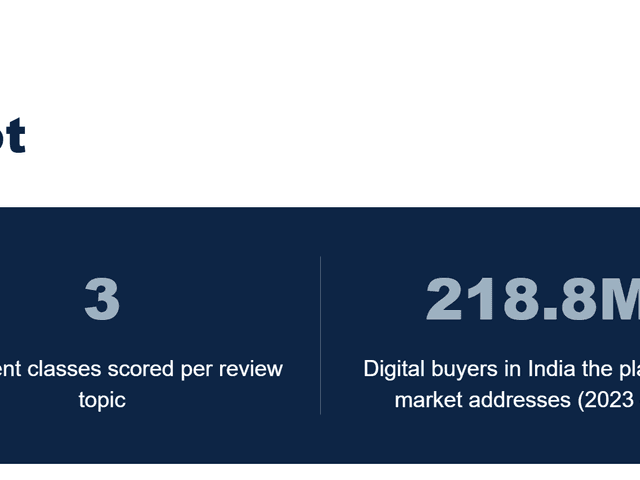
ENGAGEMENT SNAPSHOT

Pfactorial_Case_Study_SERP image 1
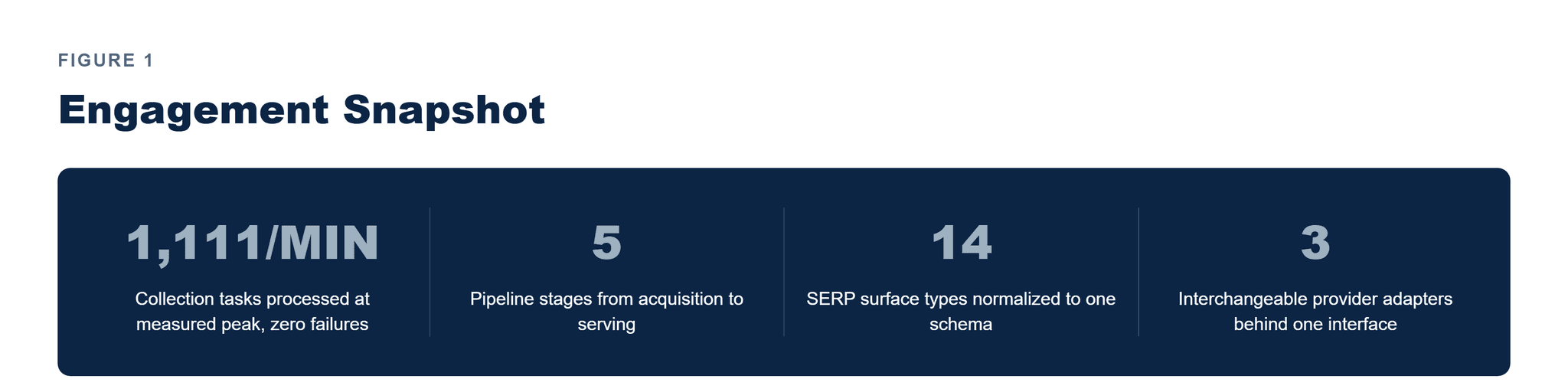
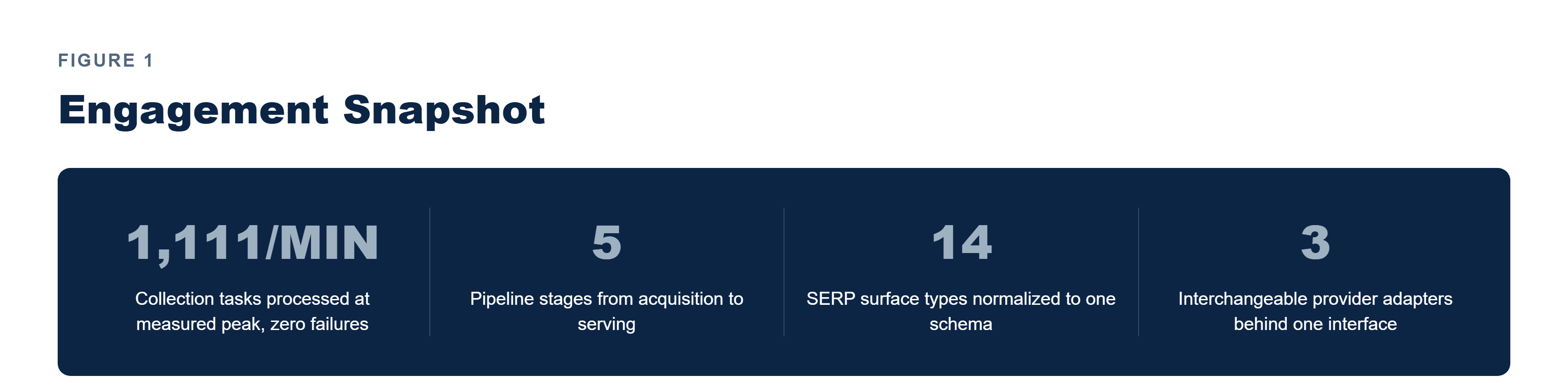
Figure 1 - Key figures from this engagement, at a glance.
EXECUTIVE SUMMARY
Our client needed to run search queries at real volume - across combinations of countries, languages, devices, and result pages - and get back clean, consistent, structured data through an API, without depending on the quirks of any single search provider.
Connecting directly to one search API doesn't survive contact with that requirement: providers change their response formats without notice, a single integration can't be swapped or combined with another without a rewrite, and re-running extraction after a parsing fix would mean re-querying and re-paying for data already collected - an unacceptable cost at volume.
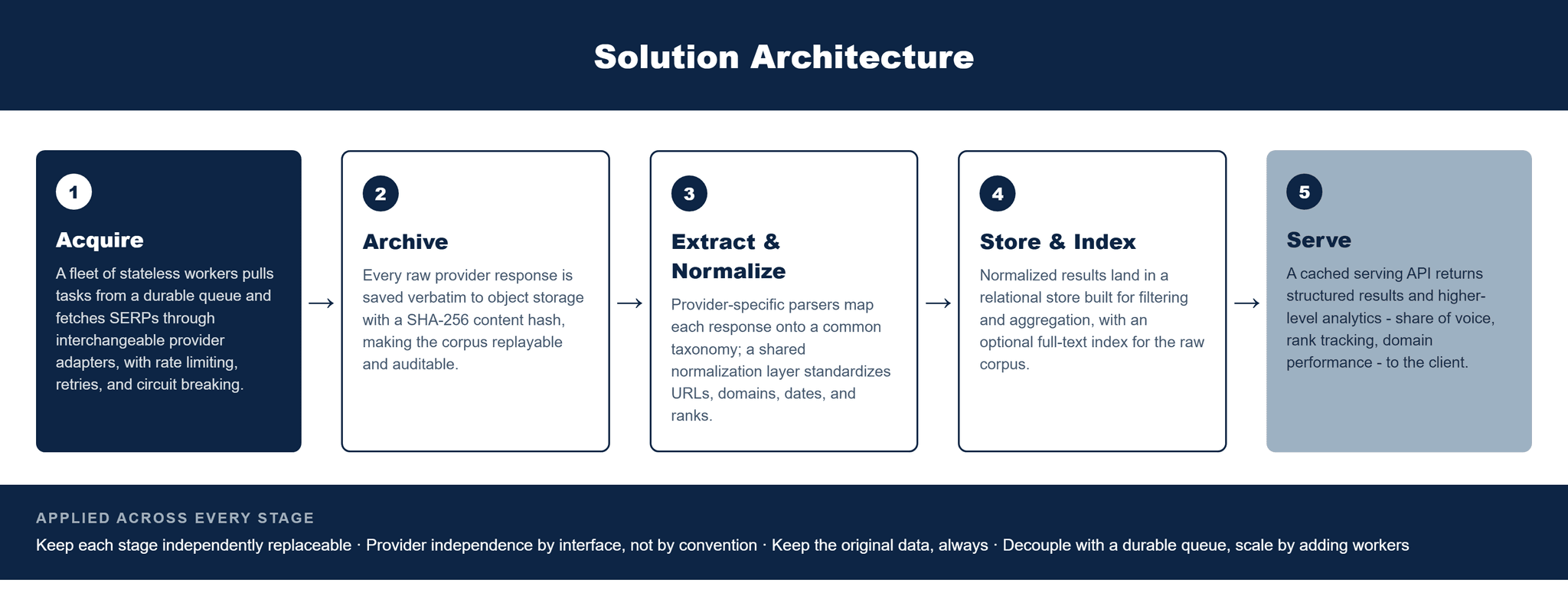
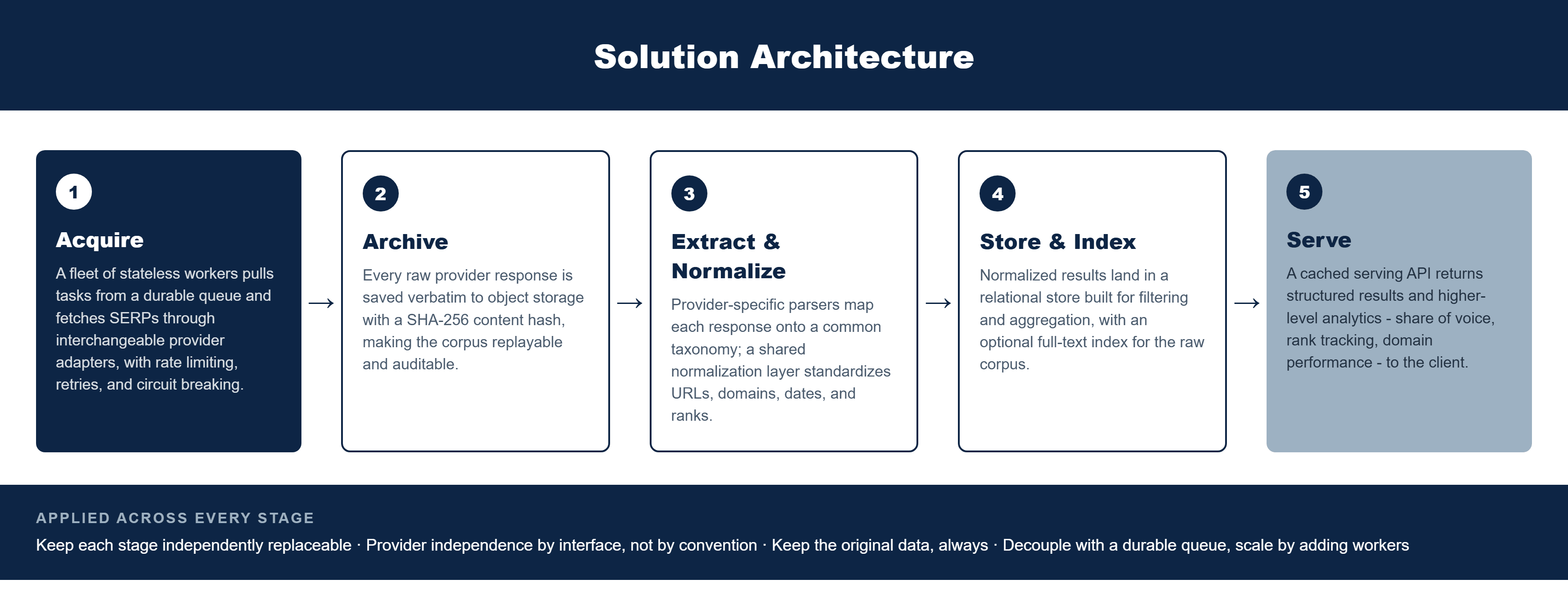
Pfactorial built a search-results collection platform organized as five cooperating stages - acquisition, raw archival, extraction and normalization, storage and indexing, and a cached serving API - coordinated by a control plane that keeps job submission fast even as collection volume scales independently behind it.
Why this engagement is representative This engagement demonstrates Pfactorial's ability to design data-collection infrastructure around replayability and provider independence as first-class architecture, not properties bolted on after the first vendor outage.
THE CHALLENGE
Collecting search results at volume surfaces problems that a single-provider integration never has to solve.

1. Search providers change response formats without notice

A parser built against today's response structure silently breaks or silently misreads tomorrow's, unless the system is built to notice the drift rather than assume the format is stable.

2. Volume requires decoupling ingestion from processing

Accepting a large query matrix and collecting it are different rates of work; without a durable queue between them, a traffic spike in one slows down the other.

3. Re-processing shouldn't mean re-collecting

If extraction logic improves later, reprocessing the historical corpus has to be possible without re-querying - and re-paying - every provider for data already captured.

4. The same query has to mean the same schema, regardless of provider

Different providers structure organic results, ads, and rich features differently; the platform has to normalize all of them into one consistent shape, not just aggregate raw, incompatible payloads.
The real brief Not "connect to a search API" but "build a replayable, provider-independent data platform where a vendor swap or a parser fix never means re-collecting or re-paying for data already captured."
THE SOLUTION
Pfactorial built the platform as five cooperating stages behind a control plane that keeps job submission and the serving API fast regardless of how much collection volume is running behind them.
Pfactorial_Case_Study_SERP image 2
Figure 1 - Acquisition and archival are decoupled from extraction, storage, and serving by a durable queue, so any stage can scale independently.

Architectural principles

  • Keep each stage independently replaceable - Acquisition, archival, extraction, storage, and serving each have one responsibility and don't need to know how the others are implemented, so any one of them can change without a system-wide rewrite.
  • Provider independence by interface, not by convention - Every search provider sits behind the same adapter contract, so adding a new one means writing a new adapter, not touching the rest of the platform.
  • Keep the original data, always - Every collected SERP is archived exactly as received with a content hash, so extraction logic can improve and be re-run across history without re-collecting or re-paying for the same data.
  • Decouple with a durable queue, scale by adding workers - A queue between the control plane and the collection fleet absorbs traffic spikes, and because each task is small and independent, throughput scales by adding workers with no coordination overhead.
CAPABILITIES DELIVERED
Each capability addresses a distinct failure mode of collecting search data at volume, from provider outages to runaway spend.
CAPABILITY
WHAT IT DOES
Matrix-based volume
Declare queries by countries, languages, devices, and pages; the engine expands the matrix into individual tasks and drains them through a bounded concurrent worker pool - volume is structural, not copy-paste.
Provider-independent collection
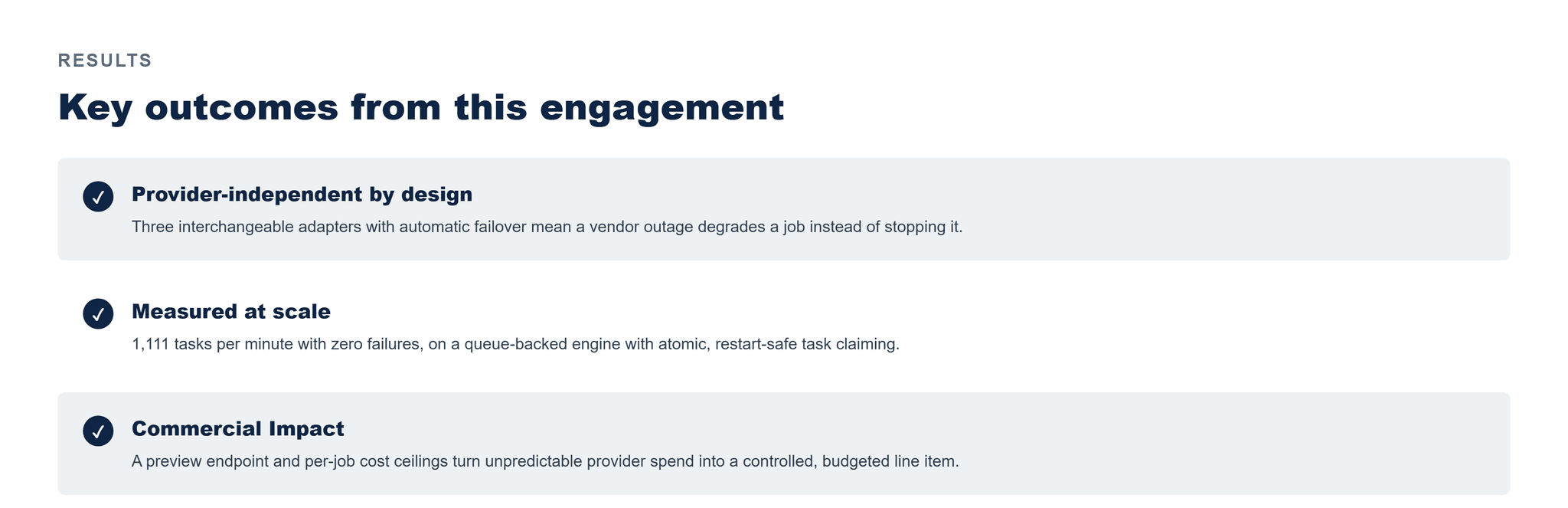
Three interchangeable adapters sit behind one interface with automatic failover, so a vendor outage degrades a job rather than stranding it.
Replayable raw archive
Every provider payload is stored verbatim with a SHA-256 hash, so extraction can be re-run across the whole corpus after a parser fix without re-billing a single provider credit.
14-surface extraction & normalization
Per-provider parsers map organic results, ads, and every rich feature onto one canonical schema - consistent URLs, domains, dates, and ranking across vendors.
Fault-tolerant engine
A queue-backed engine with atomic, restart-safe task claiming, per-provider rate limiting, jittered retries, and circuit breaking; measured at 1,111 tasks per minute with zero failures.
Analytics, audit & export
A read/analytics API and operator console for share-of-voice, rank tracking, provider-drift detection, raw-versus-normalized audit, and streamed CSV, JSON, and NDJSON export.
Cost guardrails
Per-job spend ceilings, a tighter limit for metered providers, a preview endpoint that prices a job before it runs, and a zero-cost simulator for volume demonstrations.
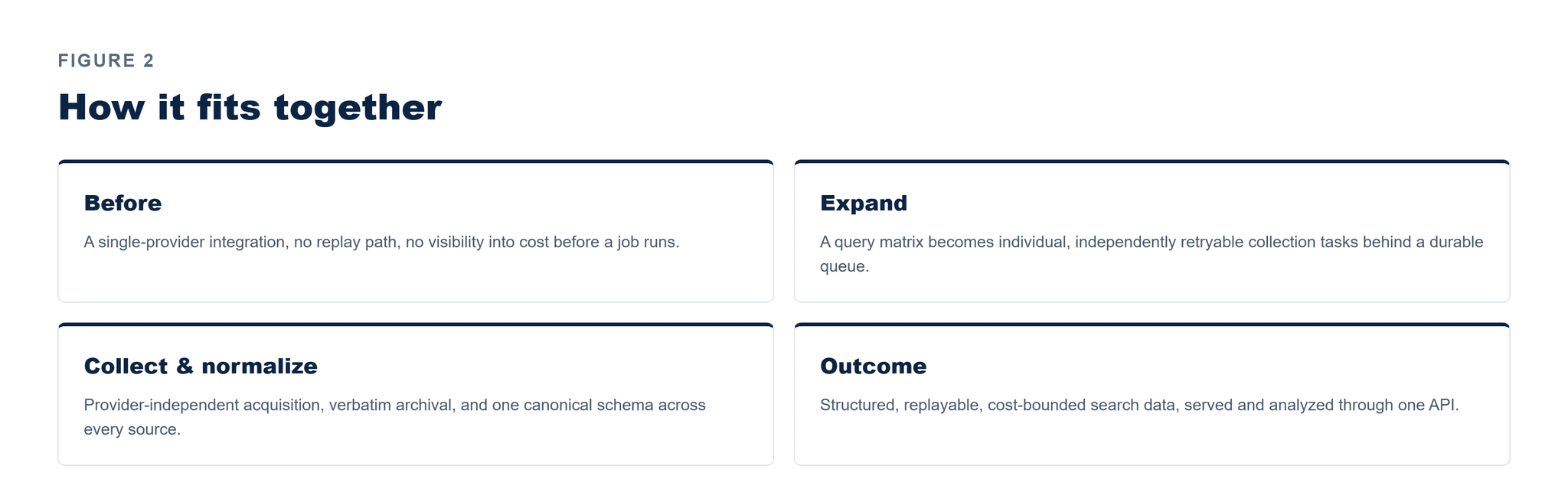
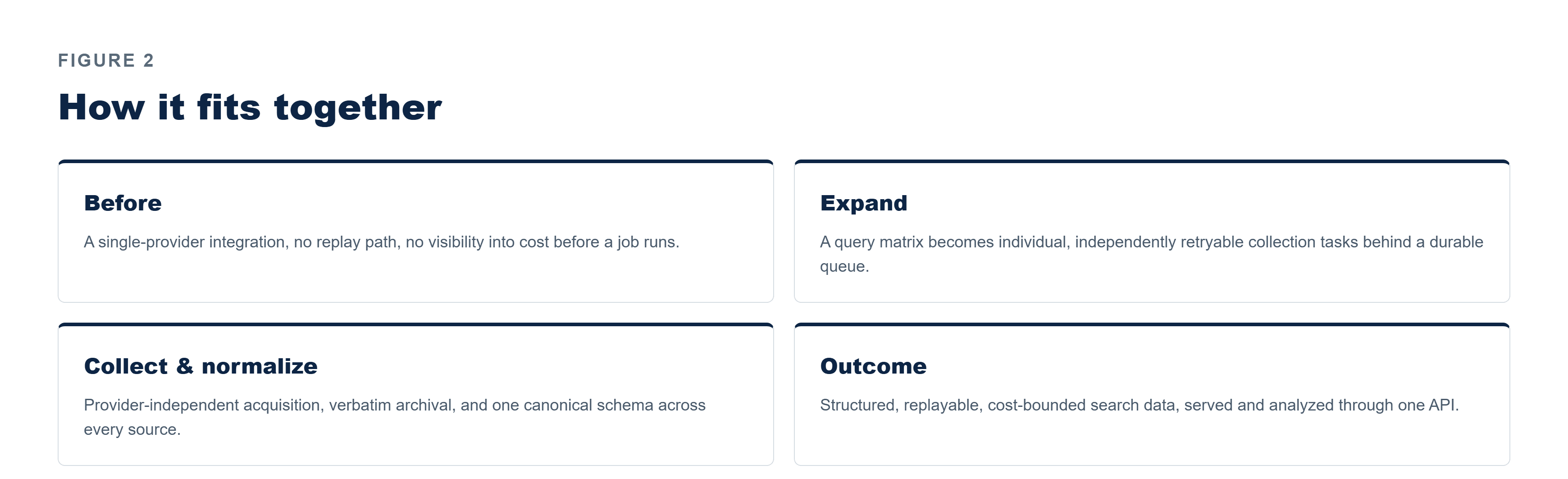
Pfactorial_Case_Study_SERP image 3
Figure 2 - The same adapter interface, archive, and normalization layer cover every provider and every query in the matrix.
Design note Cost guardrails - per-job ceilings, a tighter metered-provider limit, and a pricing preview before a job runs - trade some collection flexibility for predictable spend. The alternative, letting any job run to completion before its cost is known, is the more common default and the one this platform deliberately avoids.
ENGINEERING FOR SCALE AND RELIABILITY
Six decisions kept the platform defensible under real collection volume and real provider failure.

A durable queue between the control plane and the collection fleet

Job submission and the read API stay fast and highly available regardless of how much collection volume is running behind them, because the two planes scale independently.

Atomic, restart-safe task claiming

A worker crash cannot lose or double-process a task; anything left in-flight by a failure is returned to the queue automatically.

Circuit breakers and automatic failover across provider adapters

A slow or unhealthy provider is contained rather than allowed to cascade into the rest of the job, and traffic fails over to another adapter when needed.

Content-hash-keyed, idempotent raw archive

Every archive operation is keyed by SHA-256 content hash, which makes storage idempotent and gives the system a built-in way to detect when a SERP has actually changed.

Partition-and-replicate scaling for the normalized store

When the results store becomes a bottleneck, it is sharded by job or time window with read replicas absorbing query load - the same pattern distributed search systems use at scale.

Jittered retries with exponential backoff

Retries are staggered so a provider blip degrades gracefully instead of turning into a coordinated retry stampede against an already-struggling provider.
DELIVERY APPROACH
The build proceeded outward from the control plane and queue, so every later stage inherited the same decoupling and reliability guarantees.
1. Control plane & job orchestration - building the job lifecycle - create, start, pause, resume, cancel, retry - plus a cost-and-task preview shown before any collection begins.
2. Acquisition layer & provider adapters - defining the common adapter interface and integrating the initial set of provider adapters behind it, including the failover chain.
3. Collection engine - building the stateless worker fleet with rate limiting, retries, and circuit breaking, pulling tasks from the durable queue.
4. Raw archive, extraction & normalization - the content-hash-keyed archive, provider-specific parsers, drift detection, and the shared normalization layer producing one canonical schema.
5. Storage, indexing & serving API - the relational results store, optional search index, and the cached serving API with its analytics endpoints.
6. Hardening & scale validation - load-testing the engine to confirm throughput and failure behavior, measured at 1,111 tasks per minute with zero failures.
RESULTS AND IMPACT

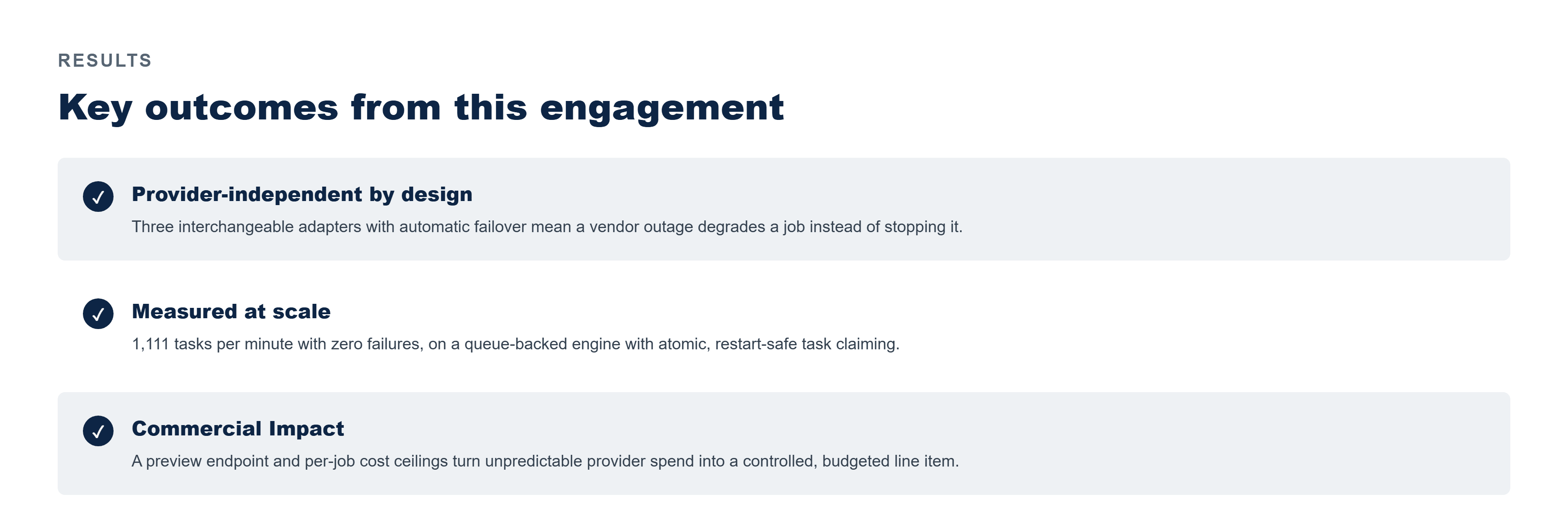
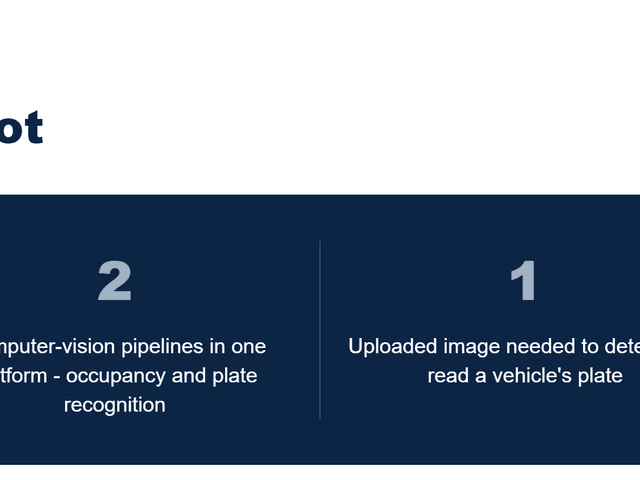
Pfactorial_Case_Study_SERP image 4
- Key outcomes from this engagement.
The platform collects across three interchangeable provider adapters and normalizes fourteen distinct SERP surface types onto one canonical schema, measured at 1,111 collection tasks per minute with zero task failures.
Because every raw response is archived verbatim and keyed by content hash, extraction logic can be improved and re-run across the entire historical corpus without re-querying or re-paying any provider - and drift detection surfaces a provider's format changes explicitly instead of letting them corrupt data silently.

What it enabled commercially

The client can price a collection job before it runs, swap or combine search providers without touching the rest of the system, and reprocess historical data as extraction logic improves - turning what is usually an unpredictable, vendor-locked cost line into a controlled and defensible one.
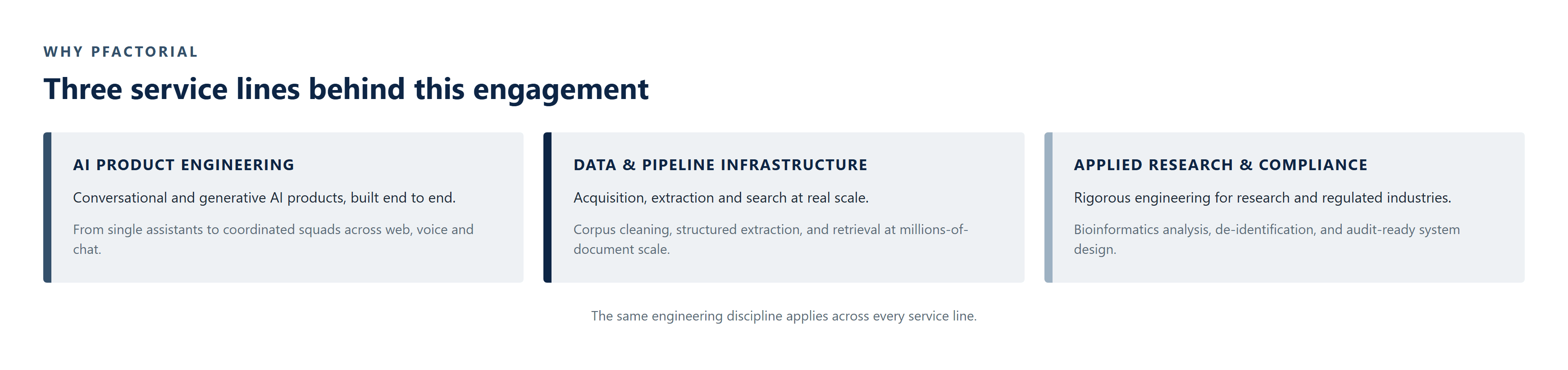
WHY PFACTORIAL
This engagement reflects Pfactorial's data-infrastructure practice: building collection and extraction pipelines that treat replayability, provider independence, and cost predictability as architecture from the start, not properties added after the first outage or invoice surprise.
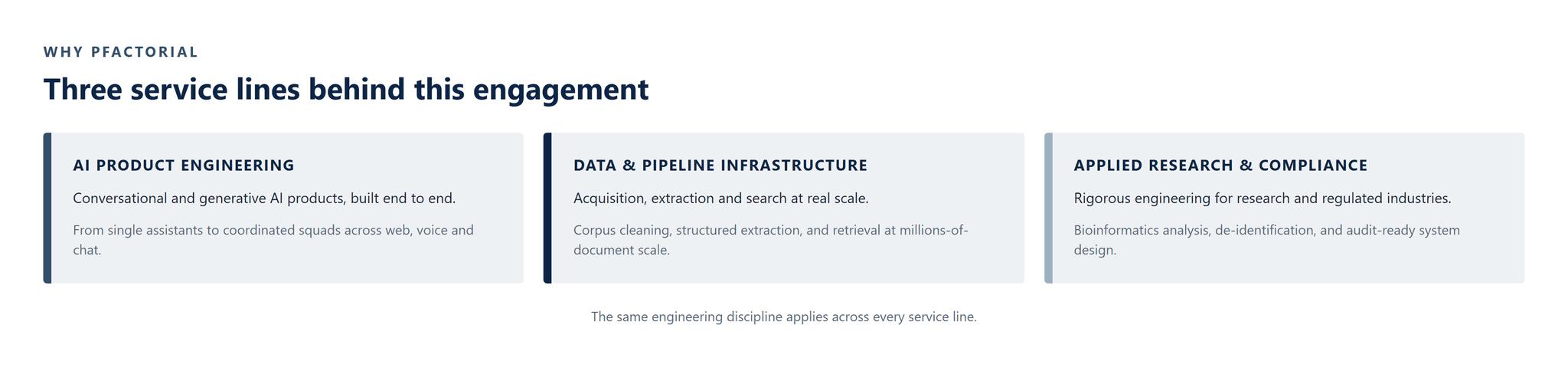
Pfactorial_Case_Study_SERP image 5
- Service lines this engagement draws on.
Engagement enquiries Pfactorial Technologies works with organisations that need search, web, or provider-dependent data collected reliably and cheaply at volume. If you're evaluating a data-collection platform, we're happy to give you an honest read on scope and risk before anyone commits to anything. · pfactorial.ai
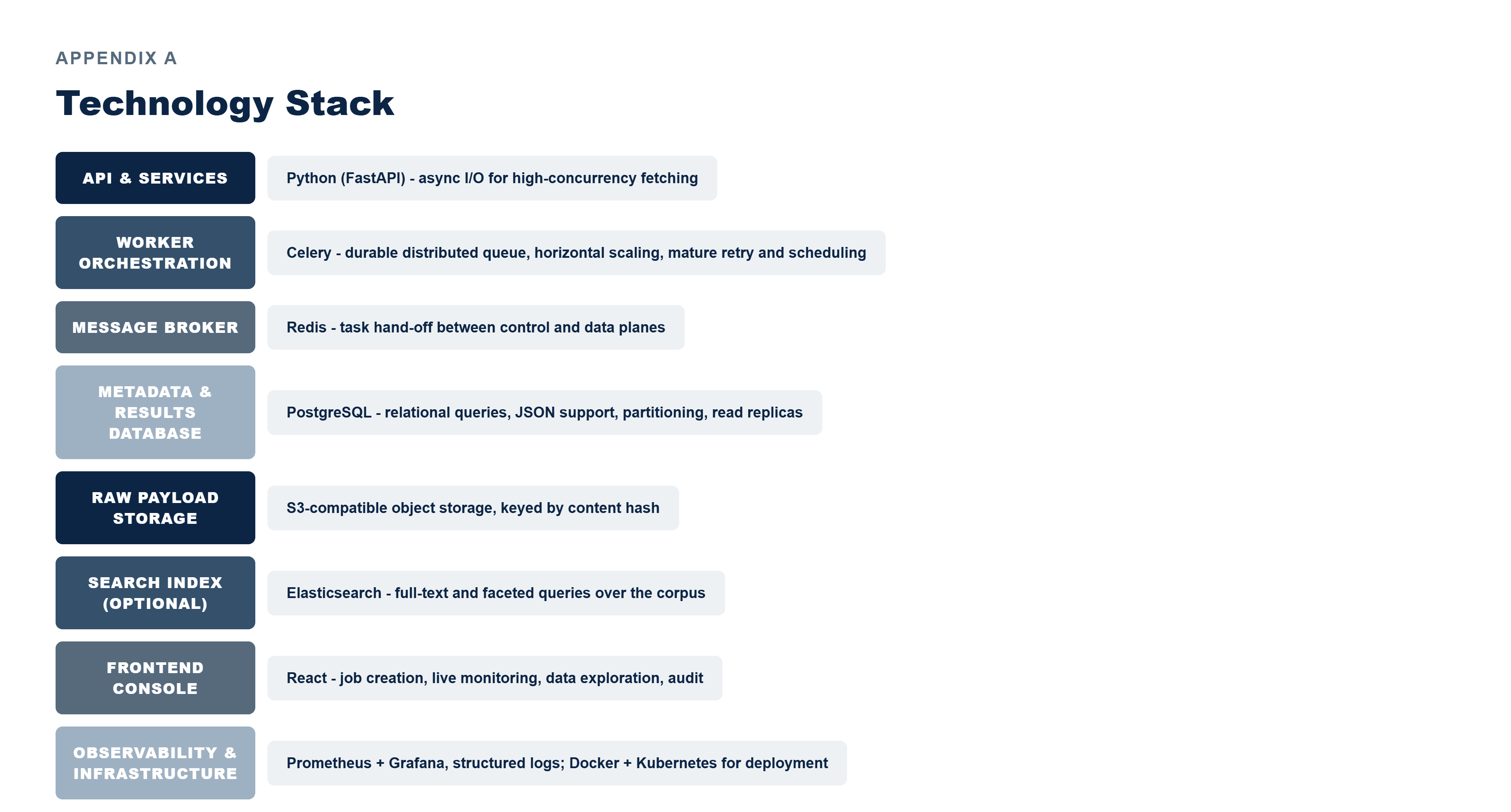
APPENDIX A - TECHNOLOGY STACK
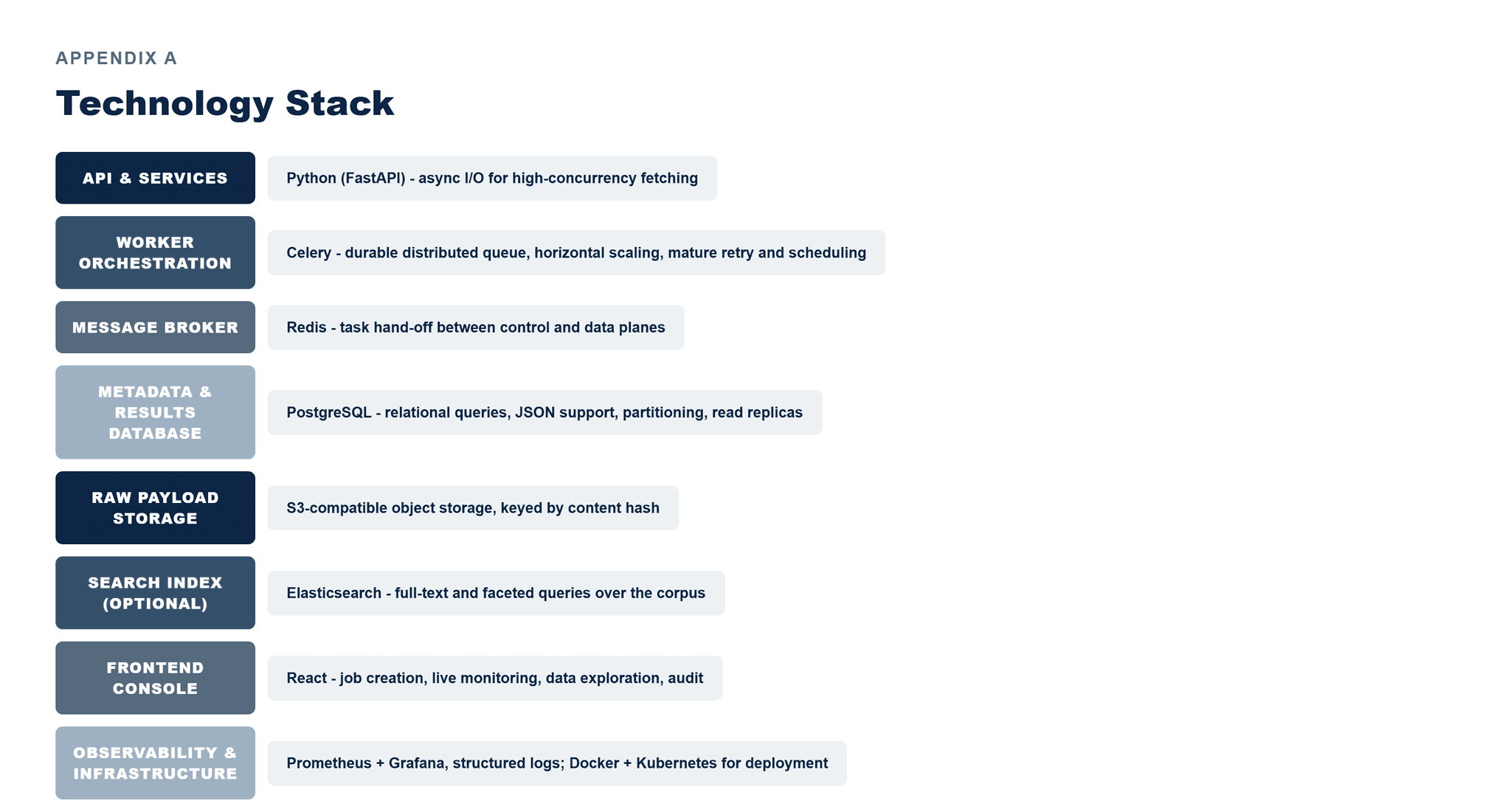
The technology stack underpinning the system, grouped by the layer it serves.
Pfactorial_Case_Study_SERP image 6

Result and Analysis

ENGAGEMENT SNAPSHOT

How Pfactorial Technologies built a five-stage pipeline that turns any volume of search queries into clean, provider-independent structured data through one API.
Pfactorial_Case_Study_SERP image 1
Pfactorial_Case_Study_SERP image 2
Pfactorial_Case_Study_SERP image 3
Pfactorial_Case_Study_SERP image 4
Pfactorial_Case_Study_SERP image 5
Pfactorial_Case_Study_SERP image 6