Back
Healthcare & Clinical

An AI Clinical Assistant That Turns One Physiotherapy Consultation Into Five Clinician-Approved Documents

How Pfactorial Technologies built an AI clinical assistant that drafts SOAP notes, follow-up communication, and home exercise programs from a single consultation, with every output gated behind physiotherapist approval, for a Canadian physiotherapy clinic group.
August 21, 2026
Share
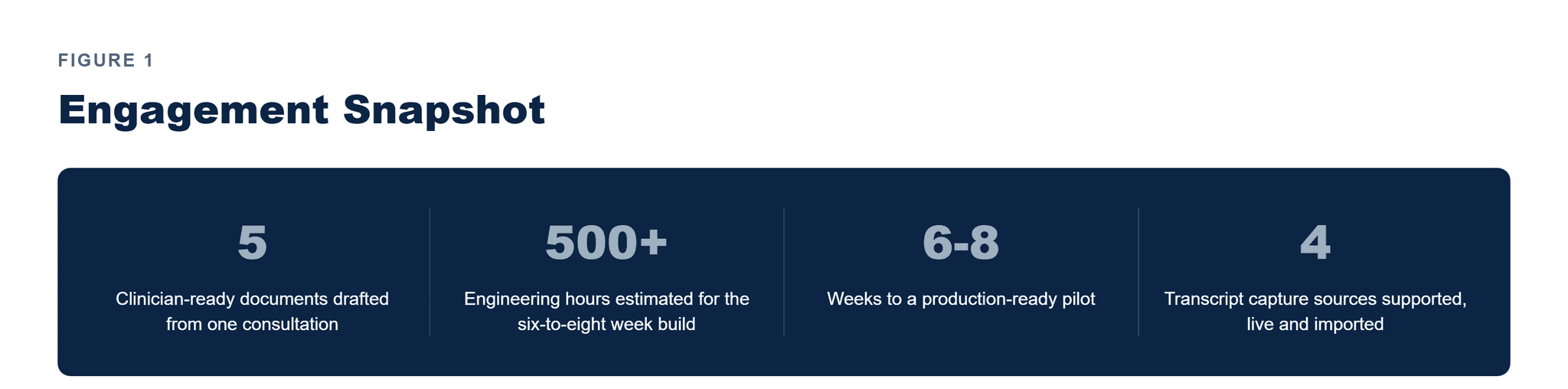
ENGAGEMENT SNAPSHOT

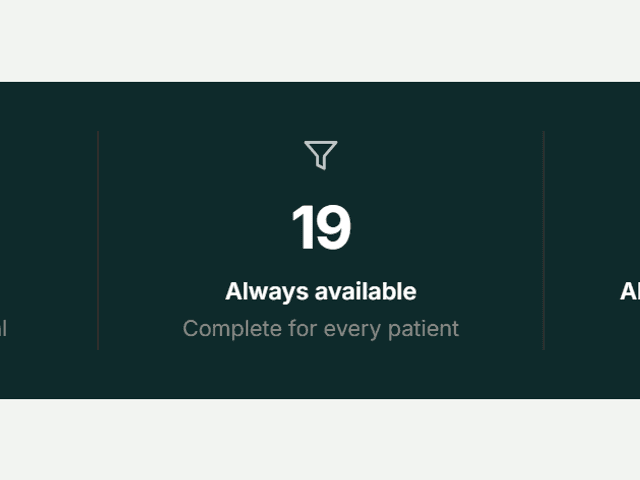
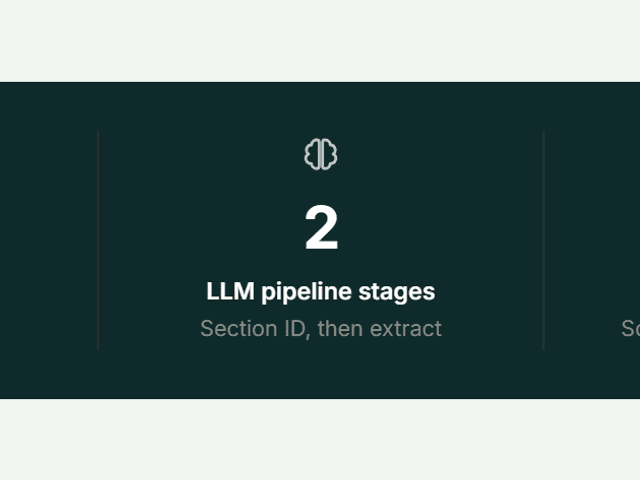
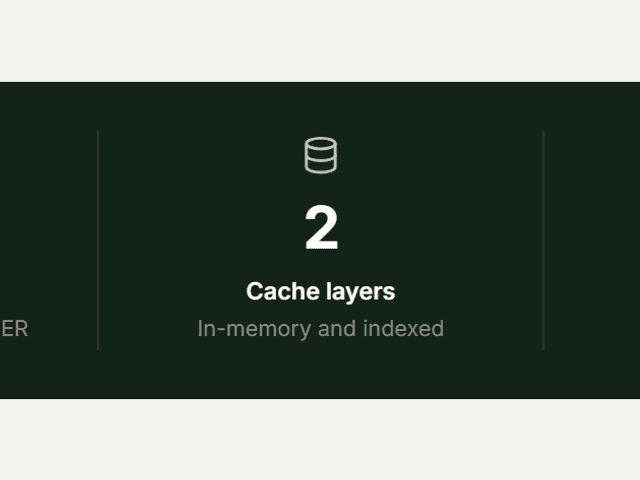
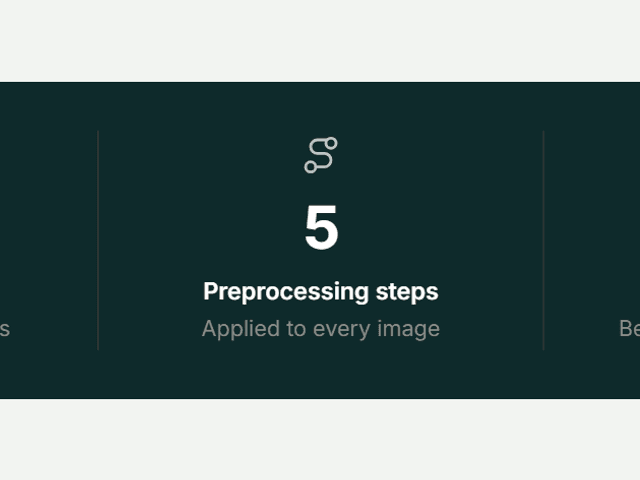
Pfactorial_Case_Study_Physiotherapy_AI_Assistant image 1
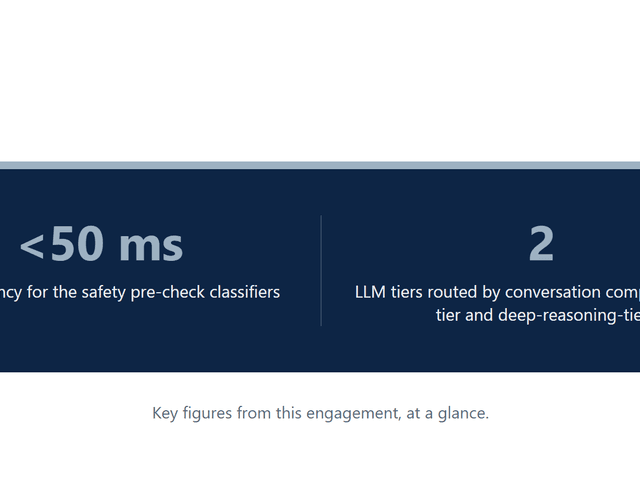
Figure 1 - Key figures from this engagement, at a glance.
EXECUTIVE SUMMARY
Our client, a multi-clinic physiotherapy group, faced a constraint familiar to any documentation-heavy clinical practice: a thirty-minute appointment routinely produced fifteen to thirty minutes of additional paperwork, because the same clinical conversation had to be manually re-written into a SOAP note, an EMR record, a patient follow-up email, a home exercise program, and an equipment list.
A tool that only drafted the SOAP note would not have solved this: the real cost was repeating the same conversation into five separate outputs, each with its own format and audience, while keeping exercises and equipment grounded strictly in the clinic's own catalogue and never letting a document reach the EMR or the patient without a clinician's explicit sign-off.
Pfactorial built the AI Clinical Assistant: an Azure-native pipeline that captures a consultation once, drafts all five documents in parallel grounded in the transcript and the clinic's own content, and routes every output through a mandatory clinician review and approval workspace before it is stored or sent.
Why this engagement is representative This engagement demonstrates Pfactorial's ability to turn one structured conversation into multiple compliant, traceable downstream documents - a repeatable pattern for any regulated, documentation-heavy service business, not a one-off build.
THE CHALLENGE
Replacing a clinician's after-visit paperwork with automated drafting meant solving problems that don't show up until the output has to be clinically trustworthy and compliant.

1. One consultation has to become five different documents, not one

A SOAP note, an EMR-ready record, a follow-up email, a home exercise program, and an equipment list all derive from the same conversation but serve different audiences and formats.

2. Nothing can be invented

Exercise names and equipment must resolve only against the clinic's own video library and approved suppliers; anything that doesn't match confidently has to be flagged to the therapist, never guessed.

3. Every generated line has to trace back to what was actually said

In a PIPEDA/HIPAA-ready environment, a clinician needs to verify a draft against the transcript segment it came from, not simply trust the output.

4. No output can leave the system without a human in the loop

No code path may write to the EMR or email a patient without a recorded clinician approval - the guardrail had to be architectural, not procedural.
The real brief Not "automate the SOAP note" but "ground every downstream document a visit produces in the same reviewed conversation, and make clinician approval a mandatory step in the pipeline, not a policy."
THE SOLUTION
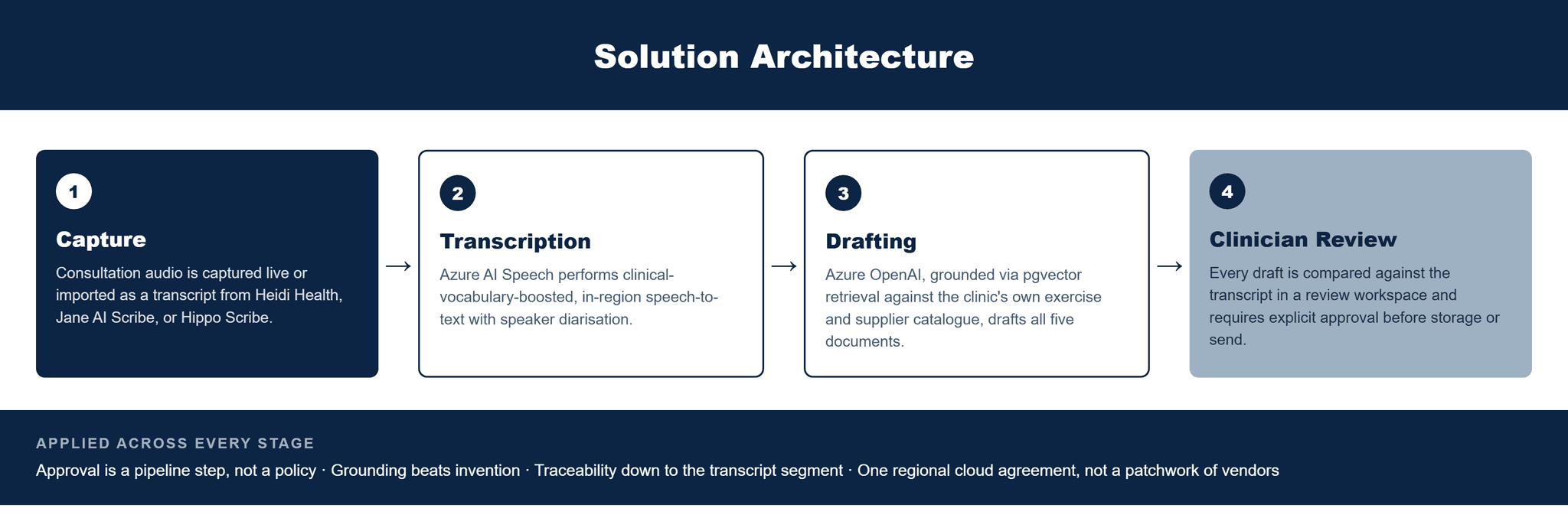
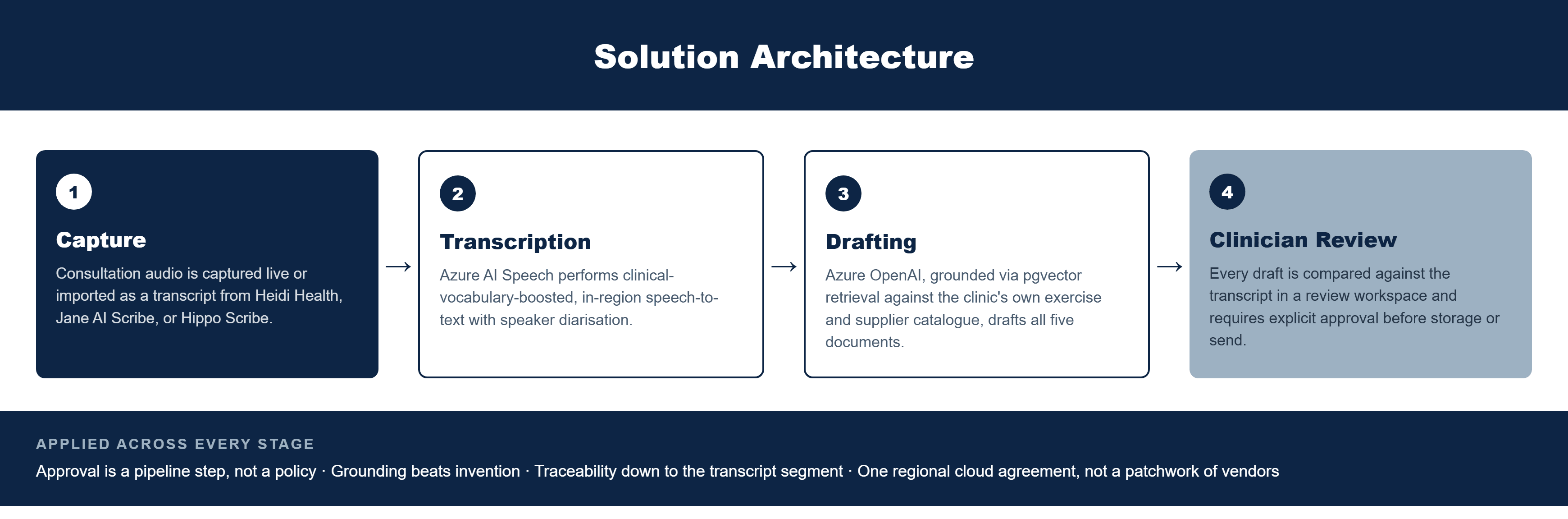
Pfactorial built the AI Clinical Assistant as a five-layer, Azure-native pipeline that turns a captured consultation into clinician-ready drafts without ever writing to the EMR unsupervised.
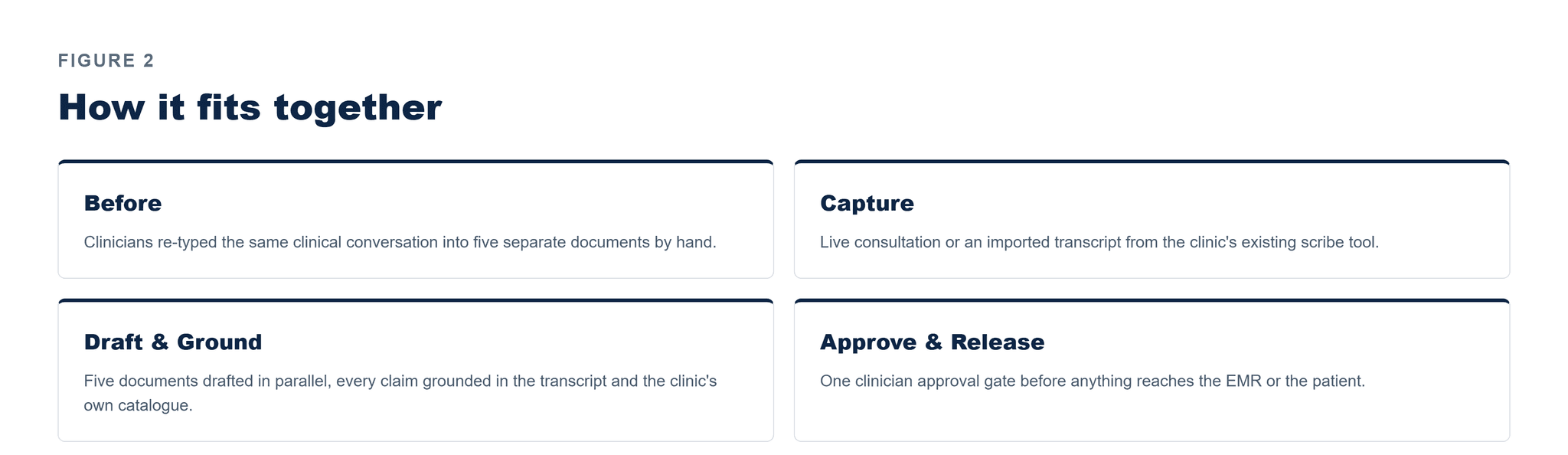
Pfactorial_Case_Study_Physiotherapy_AI_Assistant image 2
Figure 1 - Every consultation passes from capture to clinician-approved release; nothing reaches the EMR or the patient without that final gate.

Architectural principles

  • Approval is a pipeline step, not a policy - No code path writes to the EMR or emails a patient without a recorded clinician approval, enforced in the architecture rather than left to training or process discipline.
  • Grounding beats invention - Only exercises and products already in the clinic's own catalogue can be selected or linked; low-confidence matches are flagged to the therapist rather than guessed.
  • Traceability down to the transcript segment - Every generated line traces back to the part of the conversation it came from, so a clinician can verify rather than trust blindly.
  • One regional cloud agreement, not a patchwork of vendors - Model, speech service, data, and audit trail all sit under Azure Canada Central, which is what makes the compliance controls enforceable rather than aspirational.
CAPABILITIES DELIVERED
Each capability replaces a manual documentation step with one that stays grounded in the same reviewed consultation.
CAPABILITY
WHAT IT DOES
Clinical documentation (SOAP notes)
Automatically structures clinical findings into Subjective, Objective, Assessment and Plan sections.
EMR-ready records
Converts the same consultation into structured documentation ready for export into the clinic's practice management or EMR system.
Patient follow-up communication
Drafts a personalized follow-up email covering education, pacing, warning signs, and referral recommendations.
Home exercise program
Produces a plain-text program with sets, reps and weekly frequency, exercise names hyperlinked to the clinic's own video library.
Equipment recommendations
Detects products mentioned in the consultation and links them to clinic-approved suppliers.
Review & approval workspace
Lets the therapist compare transcript against drafts, edit as needed, and approve before anything is stored or sent.
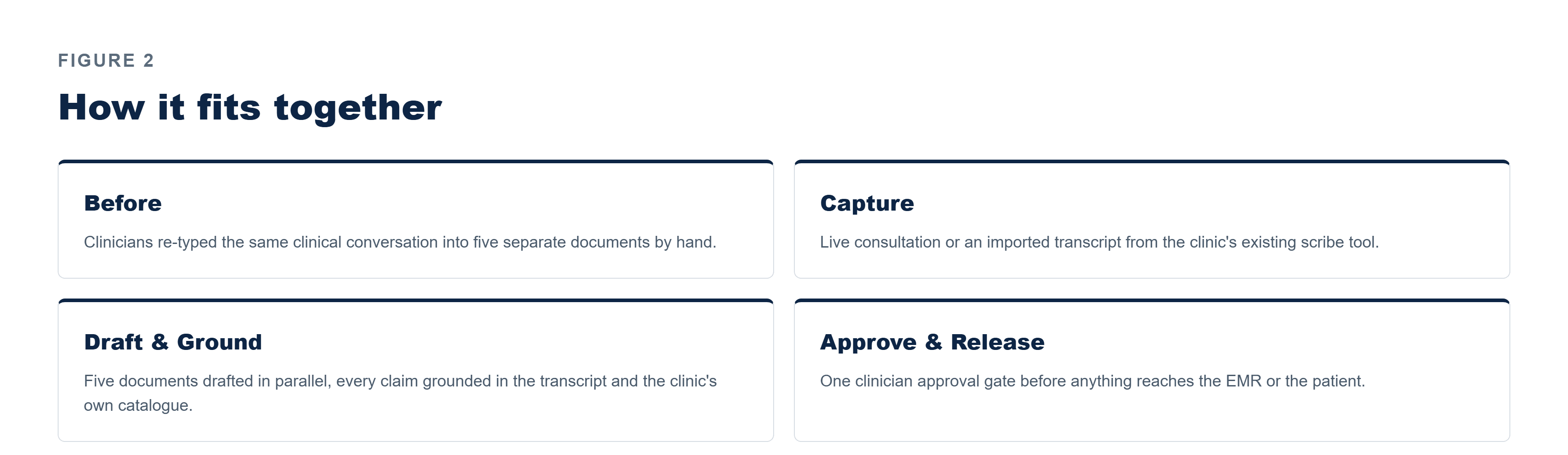
Pfactorial_Case_Study_Physiotherapy_AI_Assistant image 3
Figure 2 - The same grounded drafting pipeline produces every downstream document, from the SOAP note to the equipment list.
Design note The nothing-invented rule cuts both ways: it protects patients from a hallucinated exercise or product, but it also means an incomplete exercise library or supplier list directly limits what the assistant can safely recommend - accuracy is bounded by the completeness of the clinic's own catalogue, not by the model.
ENGINEERING FOR SCALE AND RELIABILITY
Six decisions kept the assistant defensible under clinical and regulatory scrutiny.

In-region Azure deployment for every AI service, not a mixed-vendor stack

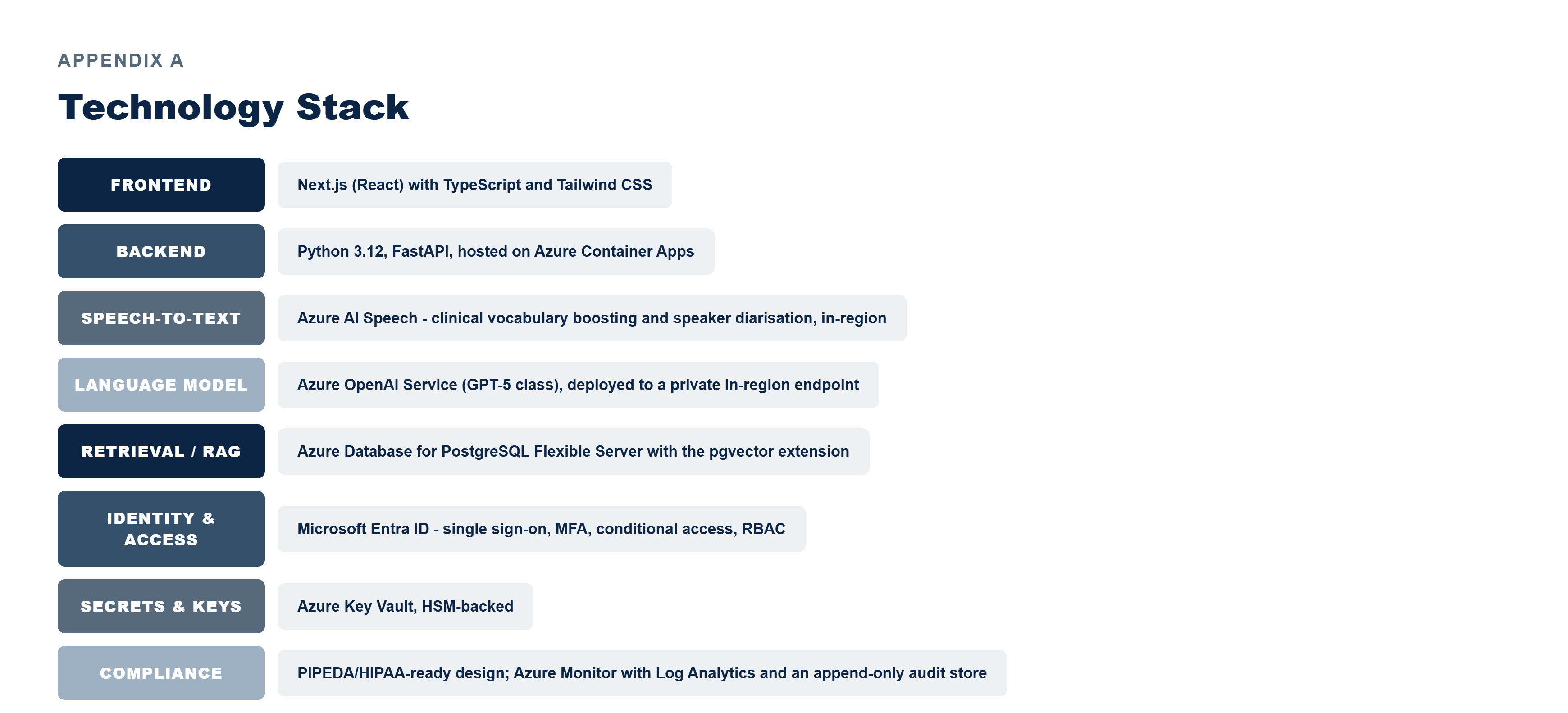
Azure AI Speech, Azure OpenAI and the retrieval layer all run within Canada Central under one agreement, keeping data residency and the audit trail under a single set of compliance controls.

A mandatory approval gate enforced in code, not in training

No code path writes to the EMR or emails a patient without a recorded clinician approval, so the guardrail can't be skipped by a rushed workflow.

Retrieval-grounded generation against the clinic's own content

pgvector-backed retrieval against the exercise library and supplier catalogue means the assistant can only surface what's already approved, flagging anything it can't ground rather than guessing.

Managed AI services instead of custom model training

Azure OpenAI and Azure AI Speech removed the need to train or host a custom clinical model, letting the build focus on workflow, exercise-library integration and compliance instead.

HSM-backed key management and an append-only audit store

Azure Key Vault and Azure Monitor with Log Analytics keep secrets and the compliance trail outside application code, in line with PIPEDA/HIPAA-ready design.

Infrastructure as code from day one

Bicep templates and GitHub Actions CI/CD keep the Canada Central deployment reproducible as the pilot moves toward multi-clinic rollout.
DELIVERY APPROACH
The engagement moved from discovery to a validated pilot in six to eight weeks, with each phase closing on a measurable deliverable.
1. Discovery & solution design - reviewing the clinic's note templates, exercise library and supplier list, and scoping EMR write-back requirements.
2. Core pipeline build - speech capture, Azure AI Speech transcription, and the retrieval-grounded drafting layer for all five document types.
3. Exercise library & supplier integration - linking exercise names to the clinic's own video library and equipment mentions to approved suppliers.
4. Review workspace & approval gate - building the transcript-to-draft comparison view and the mandatory clinician approval step before any store or send.
5. Clinician validation - tuning against twenty to thirty consented consultations with direct clinician feedback.
6. Production deployment - hardening for daily use behind Entra ID single sign-on, MFA and conditional access, ready for pilot go-live.
RESULTS AND IMPACT

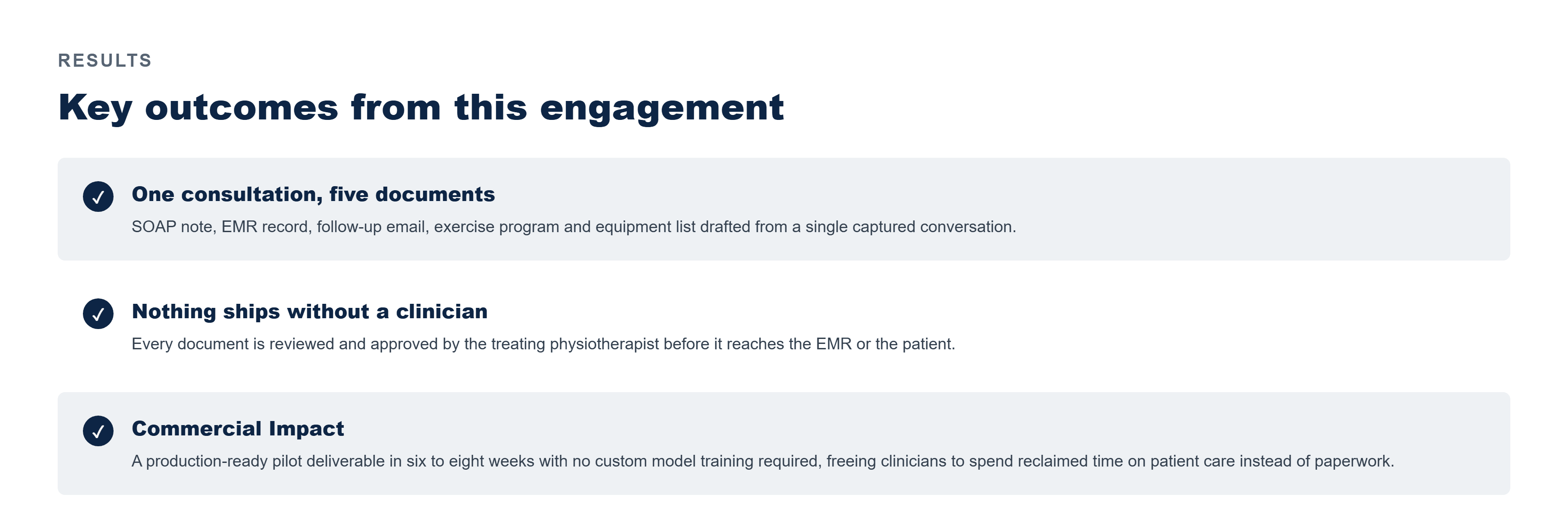
Pfactorial_Case_Study_Physiotherapy_AI_Assistant image 4
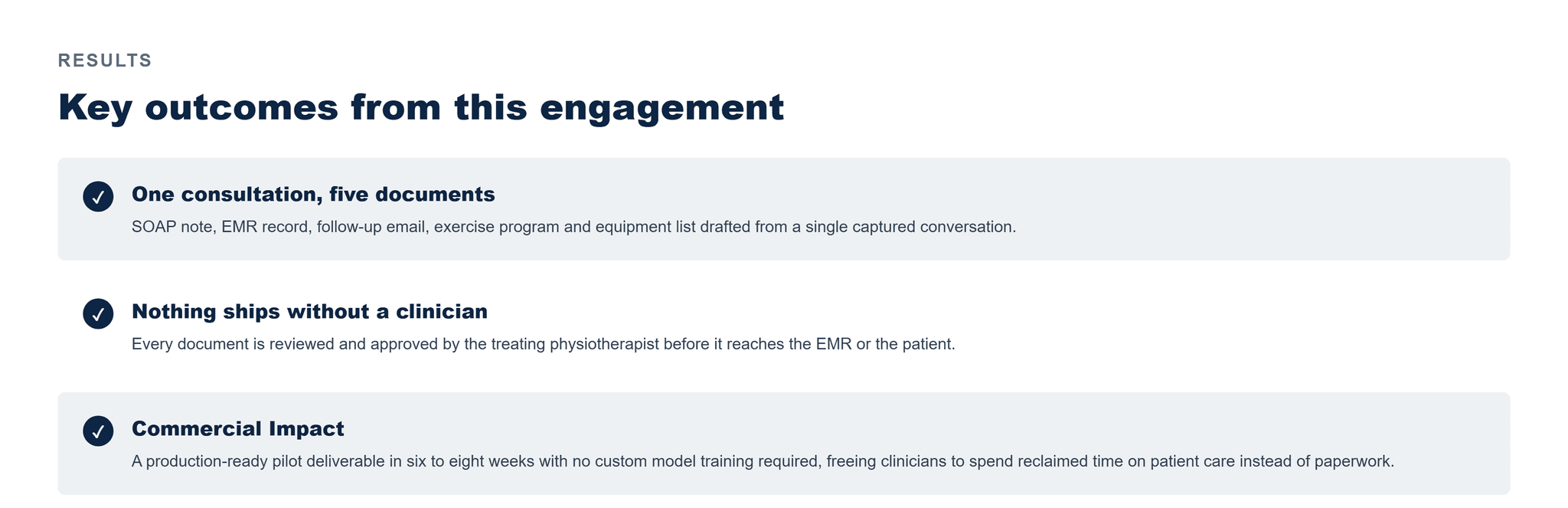
- Key outcomes from this engagement.
The pilot design consolidates what was previously up to fifteen to thirty minutes of manual documentation per thirty-minute appointment into a single reviewed and approved drafting pass, covering SOAP notes, EMR-ready records, a follow-up email, a home exercise program and equipment recommendations from one captured consultation.
Because every draft is grounded in the clinic's own exercise library and supplier list and gated behind a mandatory clinician approval step, the assistant is designed to hold up under daily production use and regulatory review rather than function only as a demo.

What it enabled commercially

The clinic gains a production-ready path to reclaim clinician time from paperwork without taking on the risk of an unsupervised system writing to the EMR or contacting patients, and without the cost or delay of training a custom clinical model.
WHY PFACTORIAL
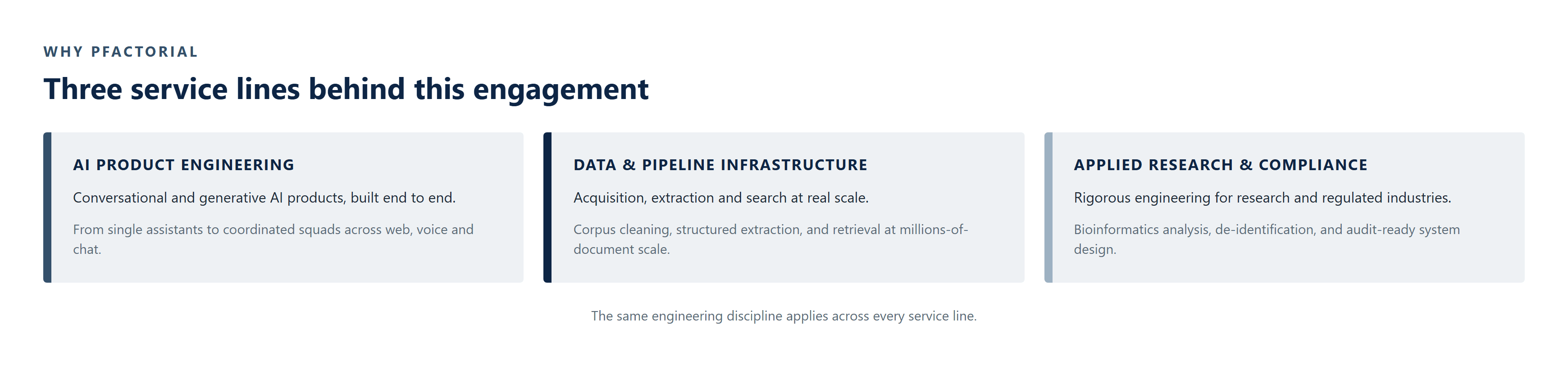
This engagement sits within Pfactorial's healthcare and regulated-documentation practice: applying grounded generative AI to workflows where every output has to be traceable to its source and gated behind a qualified human, on infrastructure sized for compliance from day one rather than retrofitted later.
Pfactorial_Case_Study_Physiotherapy_AI_Assistant image 5
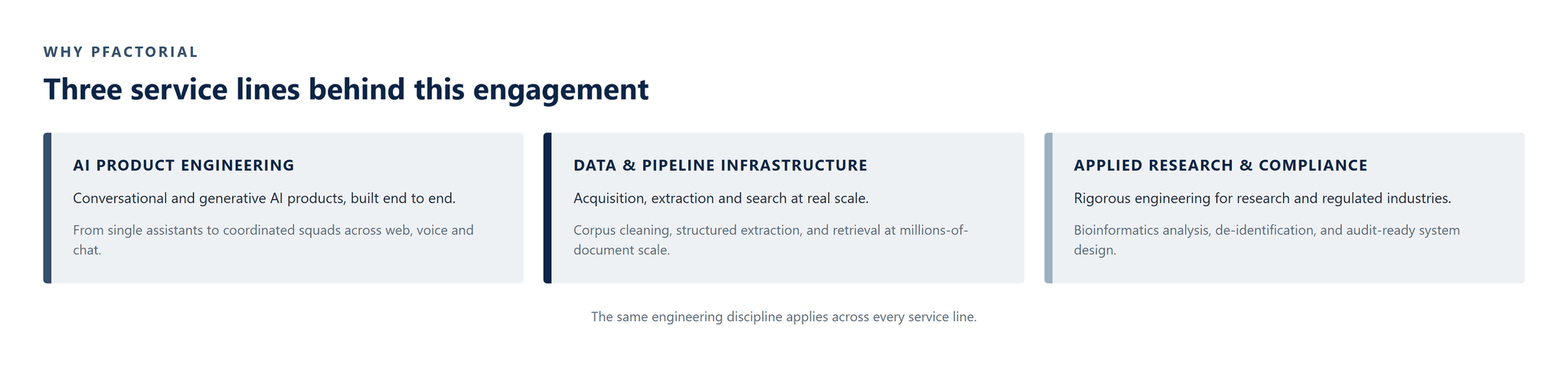
- Service lines this engagement draws on.
Engagement enquiries Pfactorial Technologies works with clinics and healthcare groups that need documentation automated without losing clinical control or compliance posture. If you're evaluating an AI assistant for consultation-heavy documentation, we're happy to give you an honest read on scope and risk before anyone commits to anything. · pfactorial.ai
APPENDIX A - TECHNOLOGY STACK
The technology stack underpinning the system, grouped by the layer it serves.
Pfactorial_Case_Study_Physiotherapy_AI_Assistant image 6

Result and Analysis

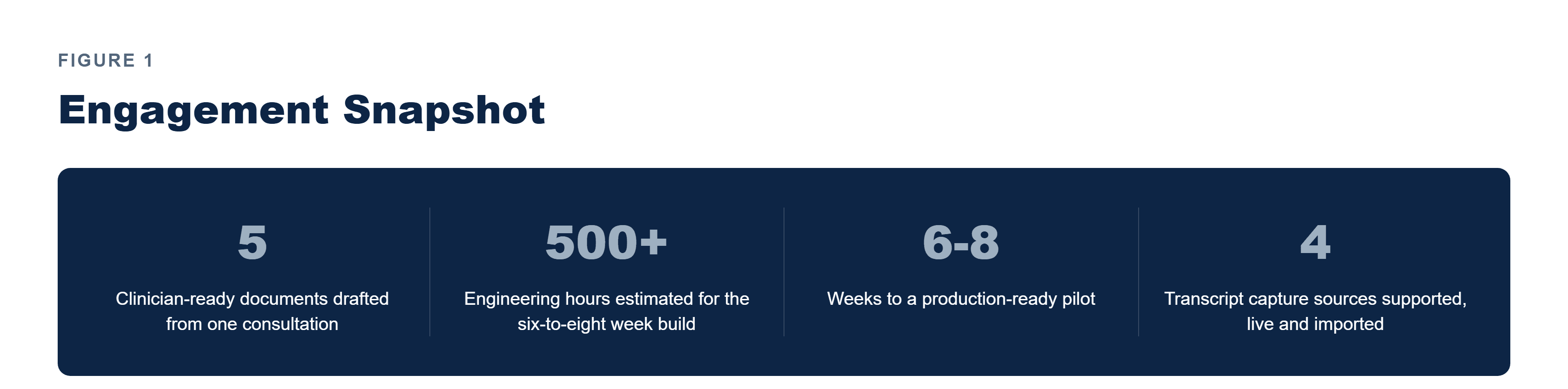
ENGAGEMENT SNAPSHOT

How Pfactorial Technologies built an AI clinical assistant that drafts SOAP notes, follow-up communication, and home exercise programs from a single consultation, with every output gated behind physiotherapist approval, for a Canadian physiotherapy clinic group.
Pfactorial_Case_Study_Physiotherapy_AI_Assistant image 1
Pfactorial_Case_Study_Physiotherapy_AI_Assistant image 2
Pfactorial_Case_Study_Physiotherapy_AI_Assistant image 3
Pfactorial_Case_Study_Physiotherapy_AI_Assistant image 4
Pfactorial_Case_Study_Physiotherapy_AI_Assistant image 5
Pfactorial_Case_Study_Physiotherapy_AI_Assistant image 6