Back
Data Scraping & Aggregation

Data Engineering Services

Author
Pfactorial
June 20, 2024
Share
Data engineering services introduction
Introduction
Data is one of the valuable assets of any organization. The majority of enterprises are generating and handling large volumes of data daily. Data Engineering, in essence, is the meticulous process of refining and optimizing that data, ensuring it is not only abundant but also of the highest quality.  To use its maximum potential we need to integrate and process it properly.

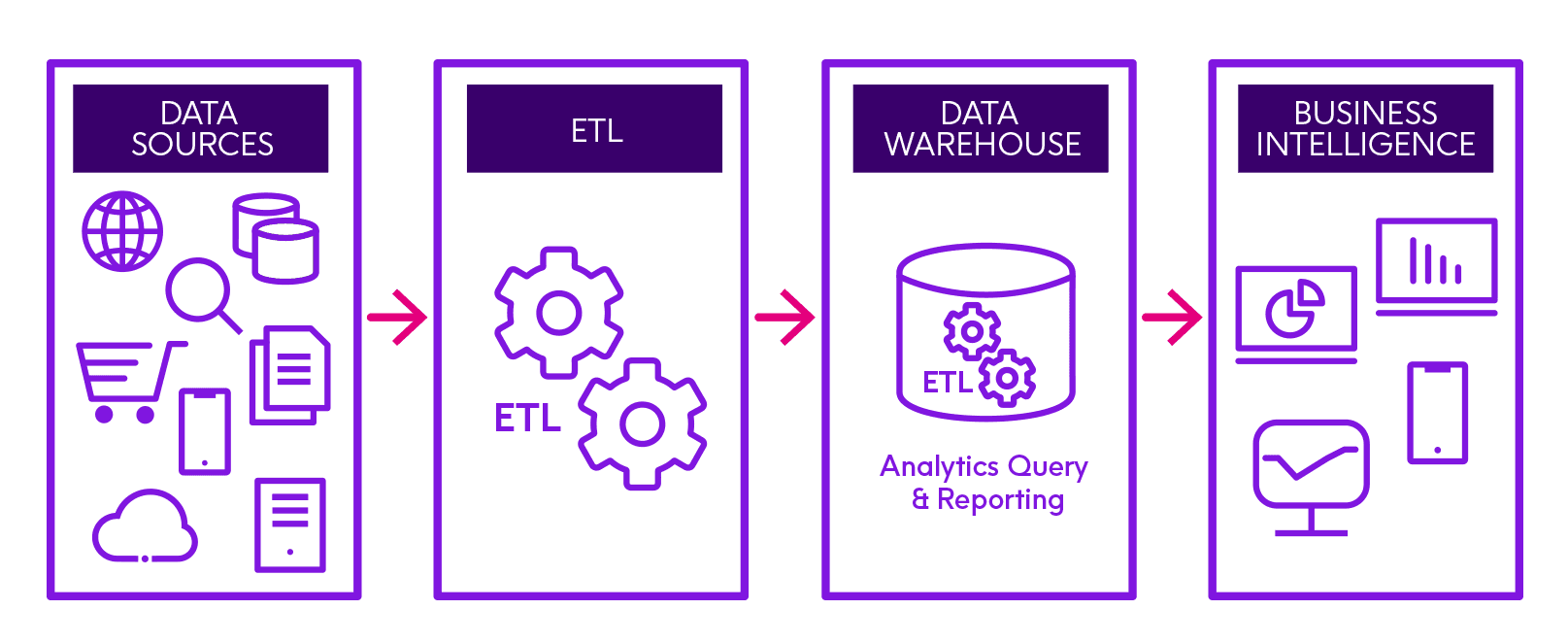
As you see in figure it contains several key components. Let's explore more
data engineering services_intro
ETL (Extract - Transform - Load )
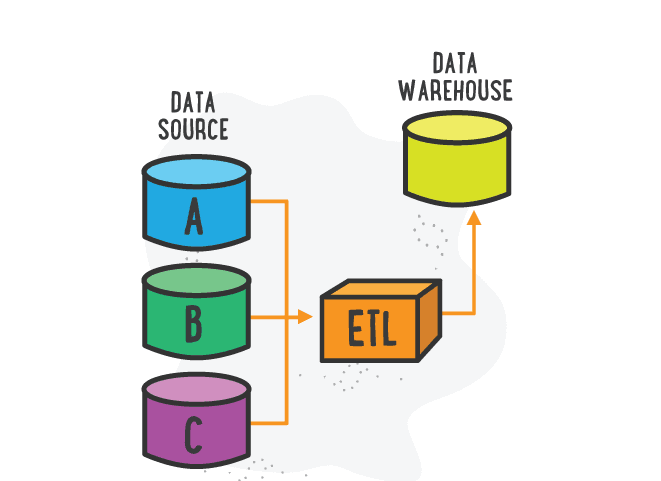
The ETL process, standing for Extract, Transform, and Load, is a fundamental data integration method used in the field of data warehousing. Here data is extracted from various sources , after transformation data is stored in a data warehouse.
ETL Process_data engineering services
Three operations happening in ETL :
Extraction :  Extraction is the process of retrieving data from one or more sources like databases, files, web applications. Data can be collected through web scraping, apis. After completing the extraction the data is loaded into the staging area. Staging area where the transformation has been done.
Transformation :  Transformation involves cleaning data, and putting it into a common format. Depending on the size and quality of data the process influences the intricacy and depth of this transformation process.  Cleaning   includes finding data errors, data redundancy, and invalid data. After cleaning data is transformed into the format that matches our database format.
Loading :  After transformation it can be stored in a targeted database, data store or data warehouse . Loading is the process of inserting the formatted data into the target. After loading this data can be used for various analysis for different departments.

ETL use cases :
  • Data warehousing
  • Machine learning and artificial intelligence
  • Marketing data integration
  • Cloud migration
  • IoT data integration
From the initial collection of raw data to its transformation, storage, and integration, each step in the data engineering process plays a crucial role in shaping the narrative of a company's success.
  • Optimizing Data Processing : ETL tools streamline the processing of large volumes of data. They enable efficient data manipulation, transformation, and validation, making it possible to handle data at scale.
  • Reducing Manual Effort : ETL tools automate the extraction, transformation, and loading processes, reducing the need for manual intervention. This not only saves time but also minimizes the risk of errors associated with manual data handling.
Data warehouse
As we said transformed data can be stored in a database or data warehouse. Data warehouse is a data storage system  designed to efficiently store, organize  and analyze large volumes of structured data. They can take data from multiple sources. Analysts equipped with the essential tools ,including reports ,dashboards, and visualizations  make use of data warehouses to make right decisions based on this structured data. Databases are optimized for quick transactional processing of real-time data, while data warehouses are designed for analytical processing, handling large volumes of historical data to support business intelligence and decision-making.
Why we use data warehouse
  •  Data warehouses are beneficial for organizations that need to analyze and derive insights from large volumes of data collected from various sources.
  • Businesses and enterprises with complex data needs, a focus on business intelligence, and a requirement for historical trend analysis often find data warehouses essential
  • Data warehouses provide a centralized repository where data can be organized, integrated, and made available for sophisticated querying and reporting.
  • Data warehouse is a first step If you want to discover ‘hidden patterns’ of data-flows and groupings.
Disadvantages of data warehouses:
  •  Can not store  unstructured data
  • Difficult to make changes in data types and ranges, data source schema, indexes, and queries
Examples :  Amazon Redshift, Snowflake, Amazon S3, Big Query, Cloudera
Data lake
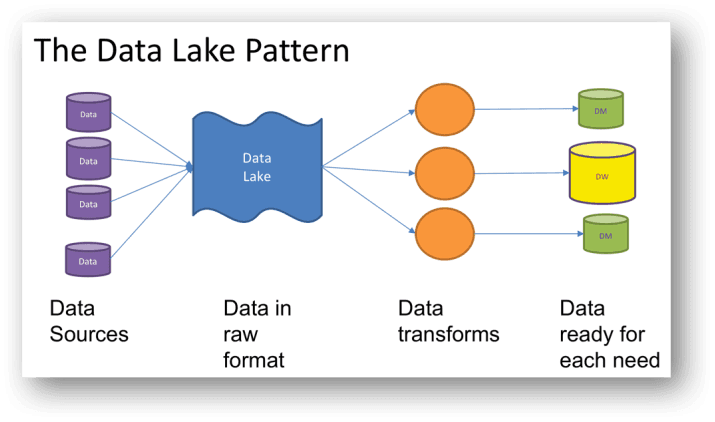
A data lake is a centralized and scalable repository that allows organizations to store vast amounts of structured, semi-structured, and unstructured data in its raw, native format. Unlike traditional data storage systems, a data lake does not require data to be pre-processed or organised before ingestion. Instead, it accommodates diverse data types and formats, including text, images, videos, and more. This approach contrasts with data warehouses, which typically involve structured, processed, and optimised data for specific analytical queries. The flexibility of a data lake makes it suitable for exploring and analysing data in ways that may not have been anticipated at the time of storage.
data lake data engineering services
Features of data lake
  • Stores and handles structured, semi-structured, and unstructured data
  • Does not require a predefined schema
  • Data is stored in its native format
  • Flexible and scalable
  • Used for big data analytics
  • Enables users to store and analyze vast amounts of data 
Examples :  Microsoft Azure, Azure Data Lake, Databricks, Amazon Web Services, Snowflake
Let us see an example
Data is gathered through an API, undergoes processing using Python Pandas, and is subsequently stored in a MySQL database.

To begin , Import required libraries.
Next we need to  create a function to extract data. Here we are using a free api to collect covid data.
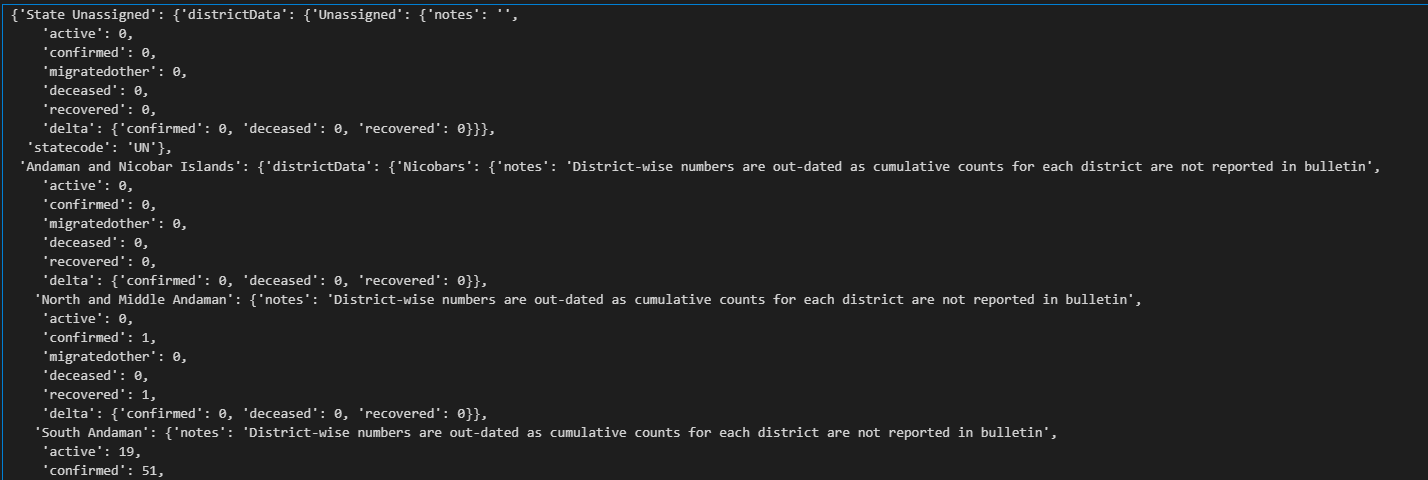
Extracted data format is like this
extracted format data engineering services
We need to process it before adding it into the database. Here we are going to transform data using pandas. Created a function to transform extracted data.
Transformed data will be like this. Now it is ready to be inserted into the database .
ransformed data data engineering services
Next step in ETL is load data. So we created a function to load data. then Using these created functions we can automate the ETL process.
Benefits of Data Engineering service
  • Data Integration: Data engineering services facilitate the seamless integration of data from various sources, enabling a comprehensive view and analysis of information.
  • Efficient Processing: These services utilize advanced technologies and techniques to process large volumes of data swiftly and efficiently, ensuring timely insights and decision-making.
  • Scalability: Data engineering solutions are designed to scale with the growing data needs of an organization, accommodating increasing volumes of information without compromising performance.
  • Optimized Storage: Data engineering helps organizations optimize storage structures, ensuring that data is stored efficiently and cost-effectively.
  • Innovation Support: By providing a solid foundation for data analytics and machine learning applications, data engineering services foster innovation within an organization.

Data engineering services play a major role in modern businesses by providing robust solutions for the collection, processing, and storage of data. It helps to efficiently incorporate data from diverse sources by prioritising scalability, reliability,  integrity, and employing advanced technologies for processing significantly enhances the ability to make well-informed decisions. Data engineering services create a data-driven culture within businesses, allowing them to stay competitive, agile, and responsive in today's rapidly evolving business landscape.
DISCOVER MORE. CONNECT WITH US!

Intrigued by what you have read? Dive deeper and stay ahead with the latest insights and trends. We are here to answer your questions and help you explore further.