Back
Recruiting & HR Tech

An AI Poster Generation Pipeline for Branded Recruitment Marketing

How Pfactorial Technologies built a tool that turns job details and a company logo into a professional, on-brand recruitment poster in one API call.

August 21, 2026
Share
ENGAGEMENT SNAPSHOT

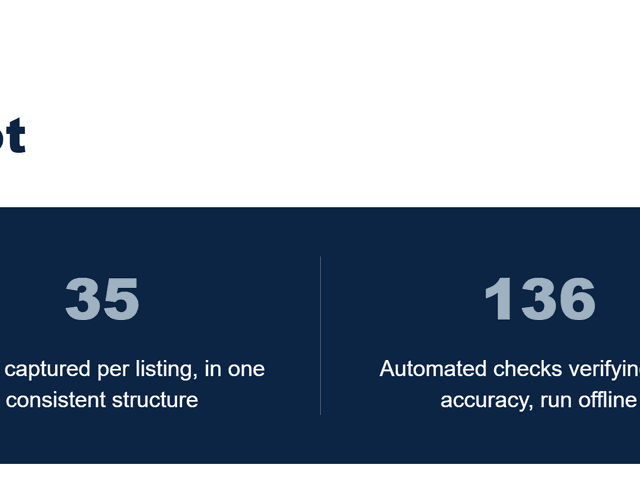
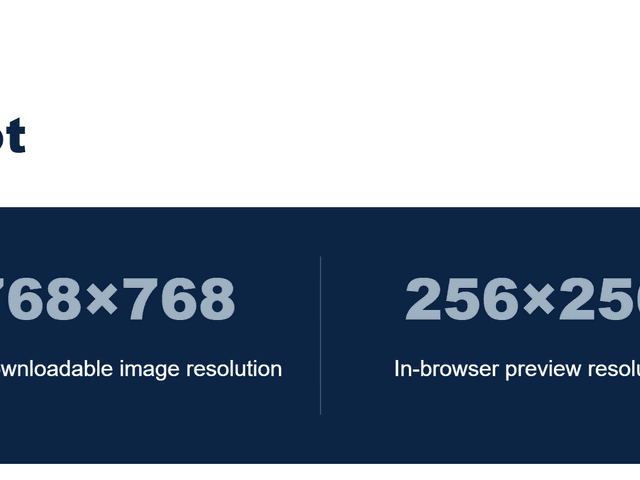
Pfactorial_Case_Study_Poster_Generator_Recruitment_Marketing image 1
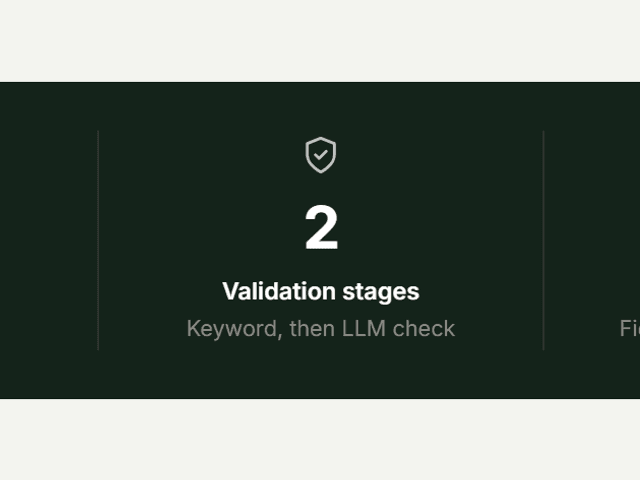
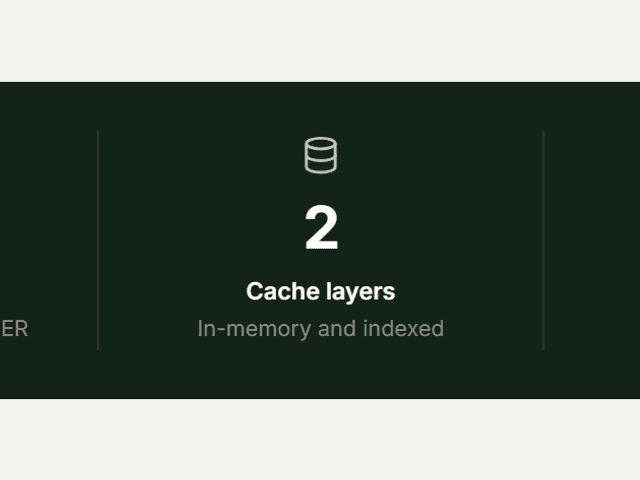
Figure 1 - Key figures from this engagement, at a glance.
EXECUTIVE SUMMARY
Our client's recruiting team needed professional, branded posters for every open role, but design work required either graphic design skills the team didn't have or a slow request queue to whoever did.
A generic AI image generator can produce an attractive image, but not a usable recruitment poster - it won't reliably reserve space for a logo, respect a brand's color scheme, or lay out job details with the right visual hierarchy without careful prompt engineering behind the scenes.
Pfactorial built a poster generation pipeline that constructs a detailed, rule-based prompt from job details and styling choices, generates the base image via OpenAI's image API, and composites the client's own logo onto it - delivering a ready-to-use poster without requiring any design skill from the recruiter.
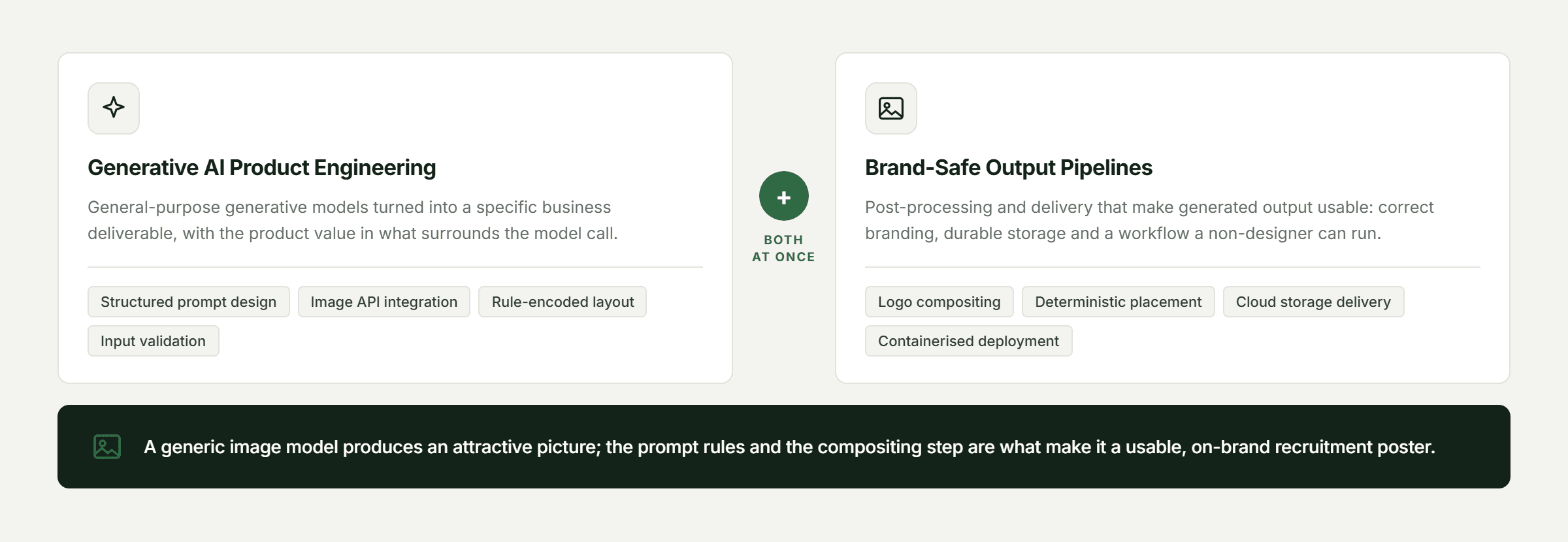
Why this engagement is representative This engagement is a clean example of Pfactorial's approach to generative AI products: the AI model generates the raw material, but the actual product value is in the prompt engineering, layout rules and post-processing that turn a generic image into something usable for a specific business purpose.
THE CHALLENGE
Turning a generic image-generation API into a reliable recruitment poster tool required solving problems a bare API call doesn't handle.

1. A generic prompt doesn't respect branding requirements

Job title, skills, location, color scheme and logo placement all needed to be encoded into the generation prompt itself, or the result would be an attractive but unusable image with no room for the company's actual branding.

2. AI-generated images don't include the client's logo

The image model has no way to know a specific company's logo - that had to be composited onto the generated image afterward, positioned and sized correctly.

3. Recruiters need a fast, no-design-skill workflow

The entire flow - enter job details, get a poster - had to work without the recruiter touching a design tool or waiting on a request queue.
The real brief Not “call an image generation API” but “turn job details into a rule-governed prompt that produces a usable, on-brand poster every time, with the client's own logo correctly placed.”
THE SOLUTION
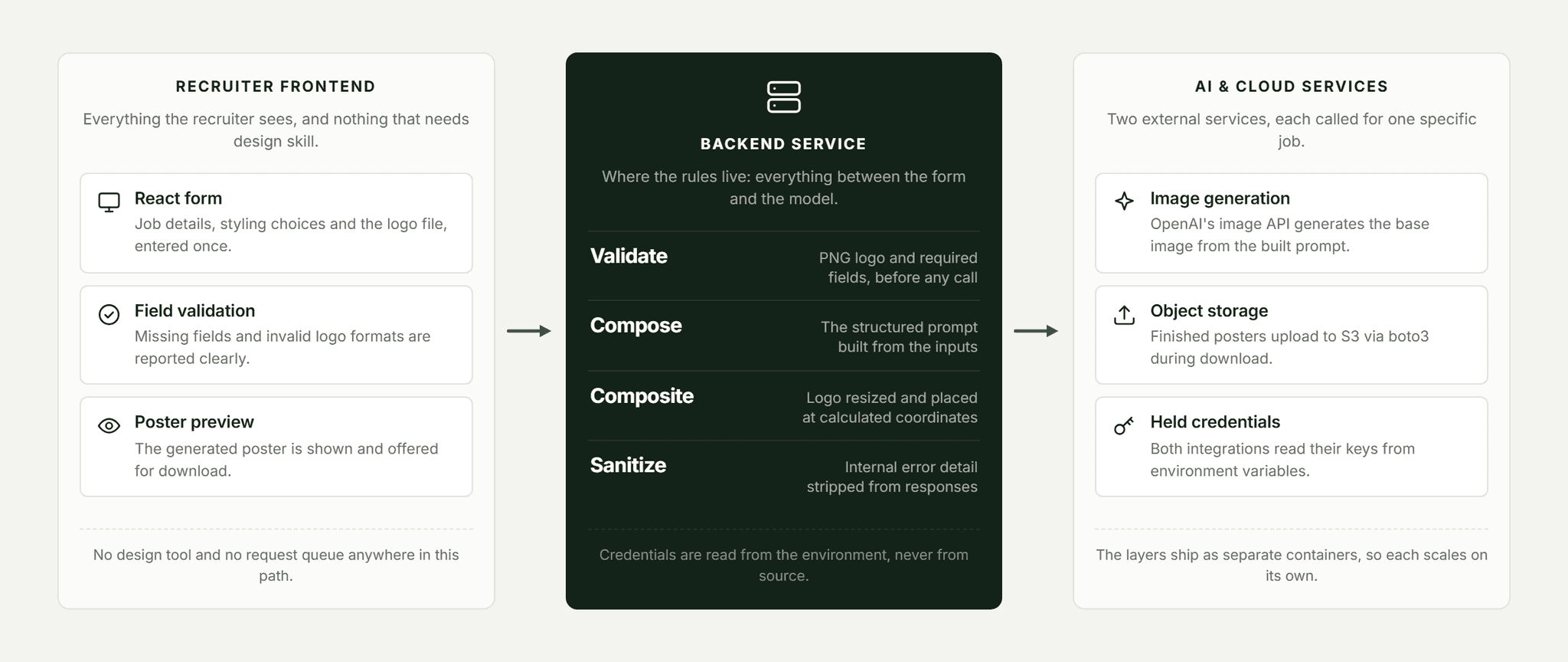
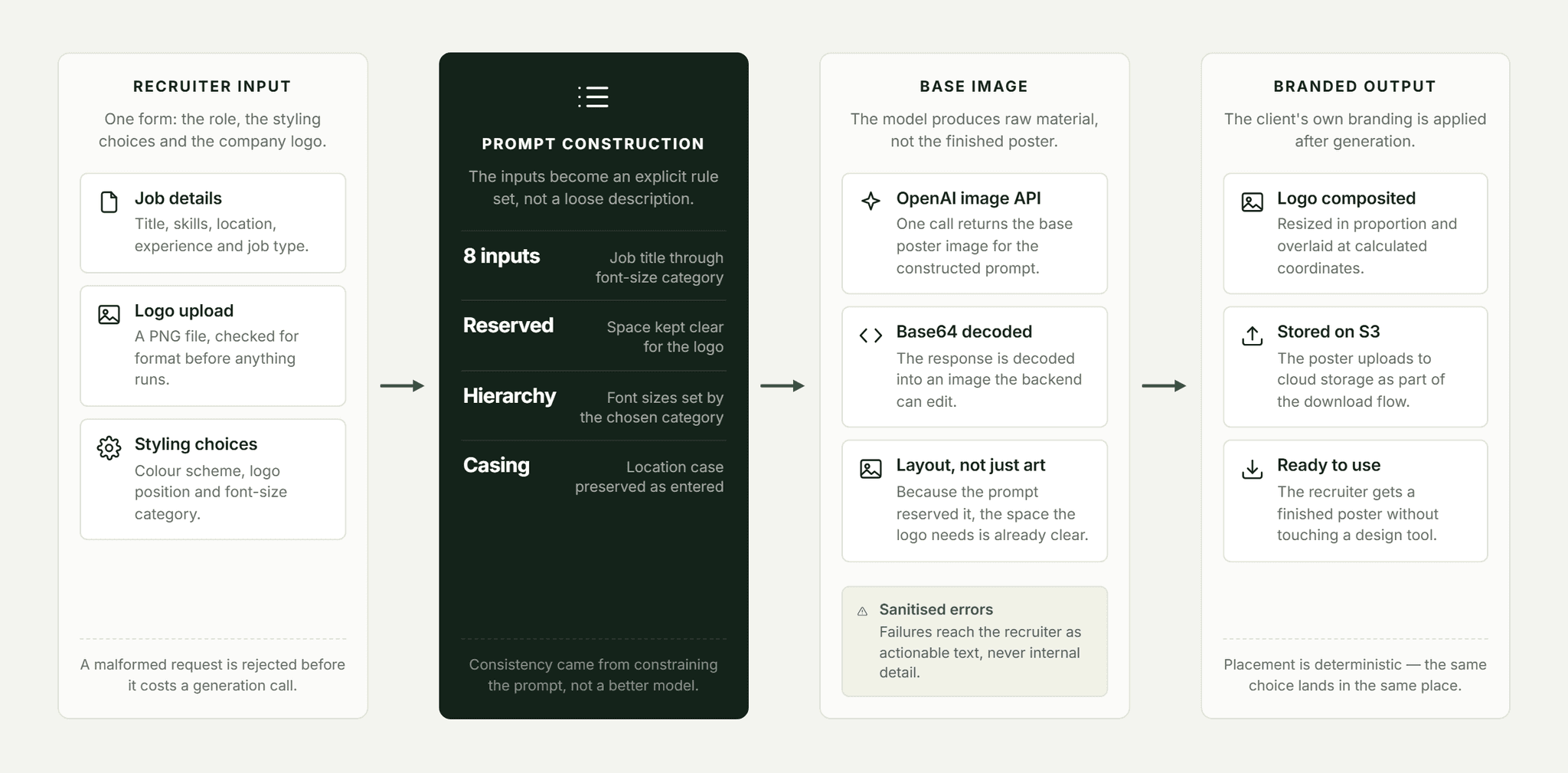
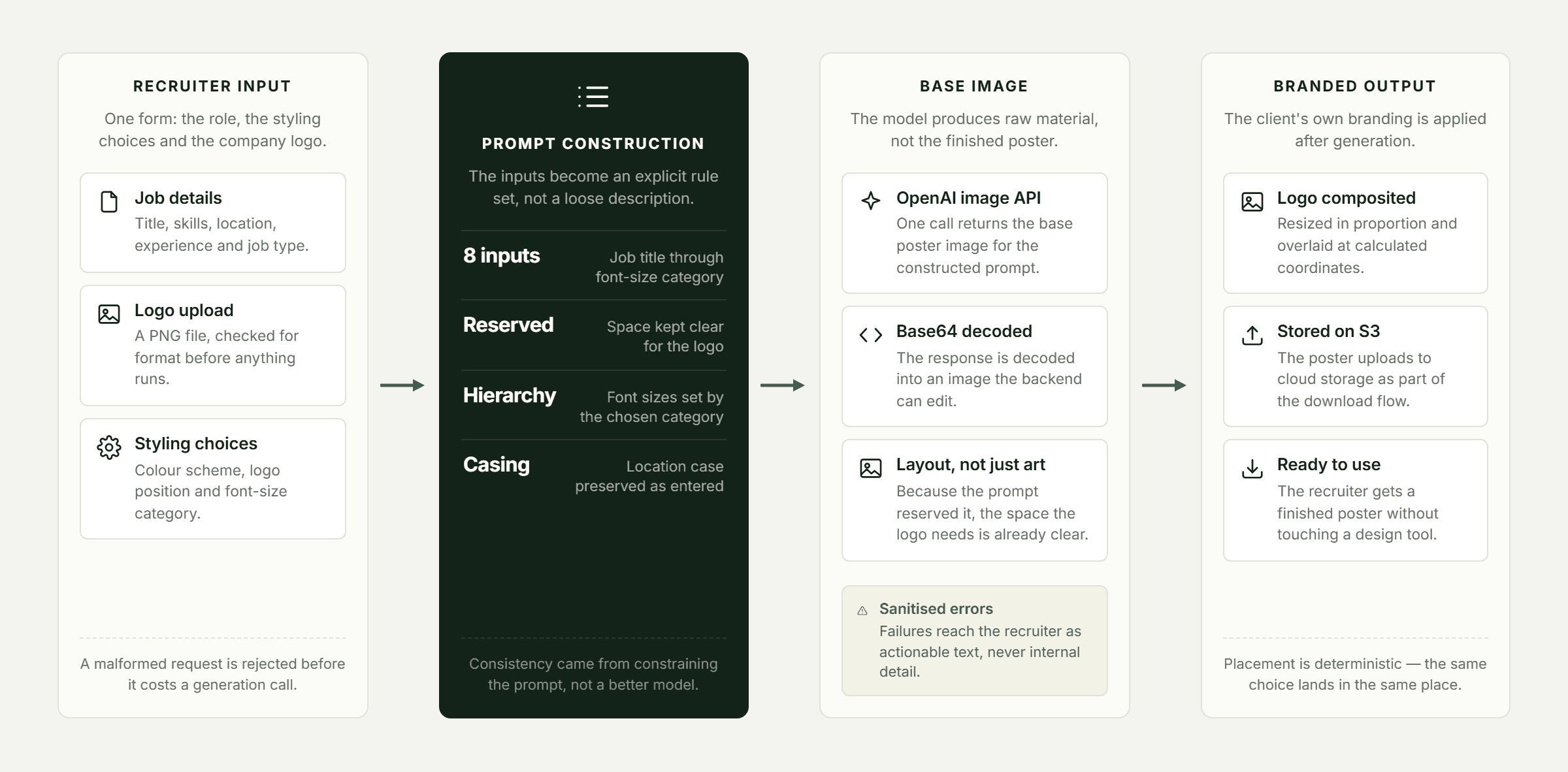
Pfactorial built the pipeline around a structured prompt-construction step and a post-generation compositing step, so the AI model's output is a starting point, not the final deliverable.
Pfactorial_Case_Study_Poster_Generator_Recruitment_Marketing image 2
Figure 2 - From job details and a logo to a downloadable, branded poster.

Architectural principles

  • Prompt as a rules engine - The backend constructs a detailed prompt encoding job title, skills, location, experience, color scheme, logo-reserved space, and font-size hierarchy - not a bare description handed to the model.
  • Compositing after generation, not instead of it - The generated base image is decoded, and the client's uploaded logo is resized and overlaid at calculated coordinates based on the selected position - a step the image model itself can't do reliably.
  • Validated inputs before any AI call - Logo file type and required fields are validated up front, so a malformed request never wastes a generation call.
  • Cloud storage as part of the flow, not an afterthought - Generated posters upload directly to S3 as part of the download flow, so the recruiter's poster is durably stored without a separate manual step.
CAPABILITIES DELIVERED
Each capability removes a manual design step from the recruiter's workflow.
CAPABILITY
WHAT IT DOES
One-call poster generation
Job details and a logo in, a branded poster image out.
Configurable styling
Color scheme description, logo position, and font-size category all controllable per poster.
Logo overlay
Uploaded PNG logo resized and precisely positioned onto the generated image.
Direct download & cloud storage
Generated posters uploaded to S3 and available for immediate download.
Form validation & error feedback
Clear error responses for missing fields or invalid logo formats before generation is attempted.
Containerized deployment
Separate Docker images for frontend and backend, orchestrated via Compose.
Pfactorial_Case_Study_Poster_Generator_Recruitment_Marketing image 3
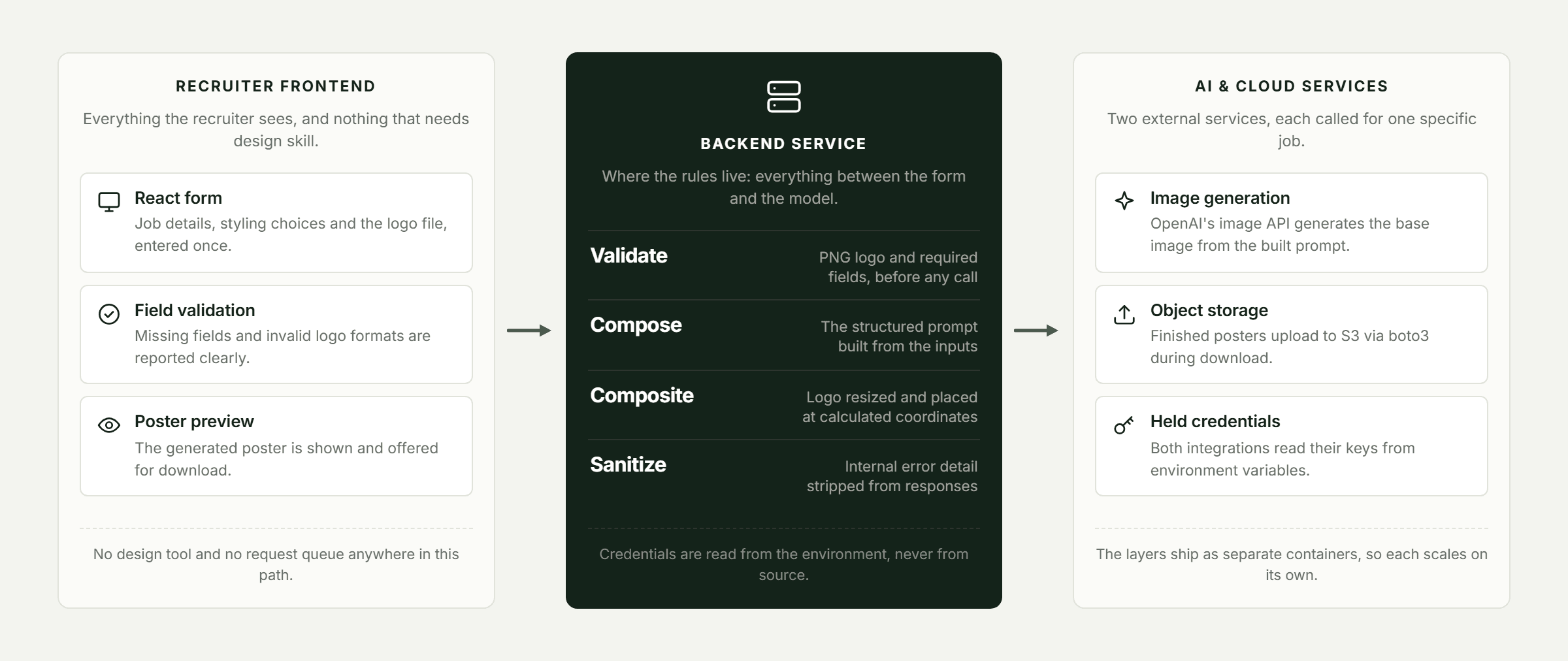
Figure 3 - Frontend, backend and AI integration as three independently scalable layers.
Design note The prompt includes explicit layout rules - reserved logo space, casing conventions, font hierarchy by category - because leaving these to the model's default judgment produced inconsistent, unusable results. Consistency came from constraining the prompt, not from a better model.
ENGINEERING FOR SCALE AND RELIABILITY
Five decisions keep poster generation predictable across different job types and branding requests.

Structured prompt construction

Job title, skills, location (case preserved), experience, job type, color scheme, logo position, and font-size category are all explicitly encoded into the generation prompt rather than left to inference.

Deterministic logo placement

Logo position coordinates are calculated based on the user's selection and the logo's proportional resize, ensuring consistent placement regardless of the generated image's specifics.

Upload validation before generation

Logo files are validated as PNG and required fields checked before any call to the image generation API, avoiding wasted generation costs on invalid requests.

Environment-based credential management

OpenAI and AWS credentials are managed through environment variables via python-dotenv, keeping secrets out of source code.

Sanitized error handling

API error messages are sanitized before reaching the frontend, avoiding leaking internal details while still giving the recruiter actionable feedback.
DELIVERY APPROACH
The engagement built the generation and compositing pipeline first, then the recruiter-facing interface around it.
1. Prompt engineering - designing the structured prompt template encoding job details, styling and layout rules.
2. Image generation integration - connecting to OpenAI's image generation API and handling the base64 response.
3. Logo compositing - resizing, positioning and overlaying the uploaded logo onto the generated base image.
4. Cloud storage integration - S3 upload via boto3 as part of the download flow.
5. Recruiter-facing frontend - the React form, validation, and poster preview experience.
6. Containerized deployment - Docker images for frontend and backend with PM2 process management.
RESULTS AND IMPACT

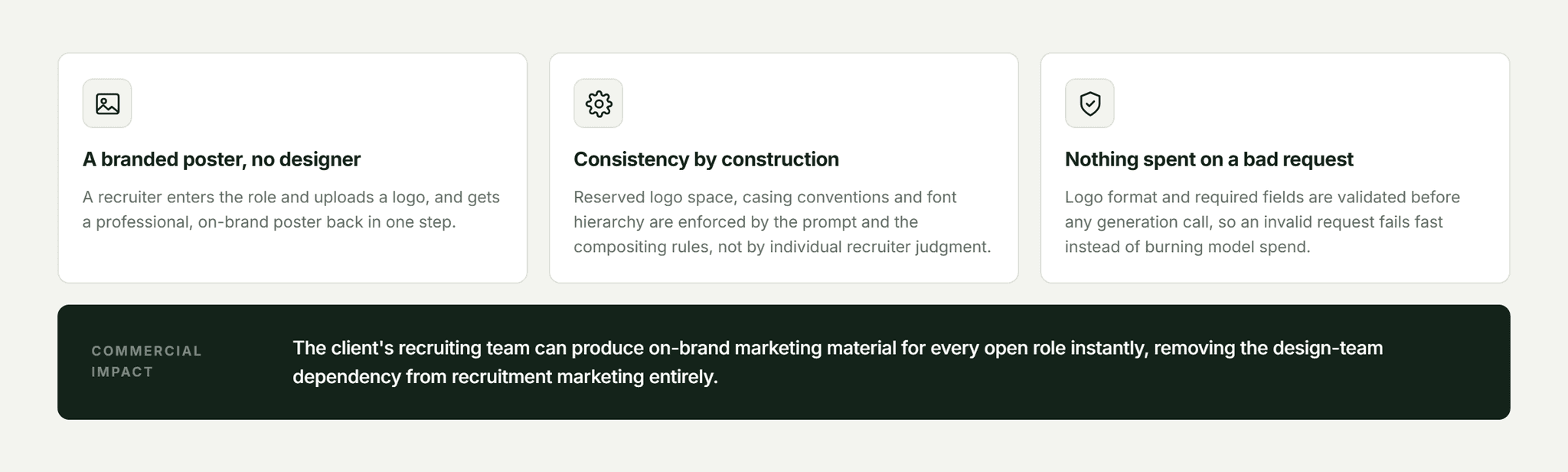
Pfactorial_Case_Study_Poster_Generator_Recruitment_Marketing image 4
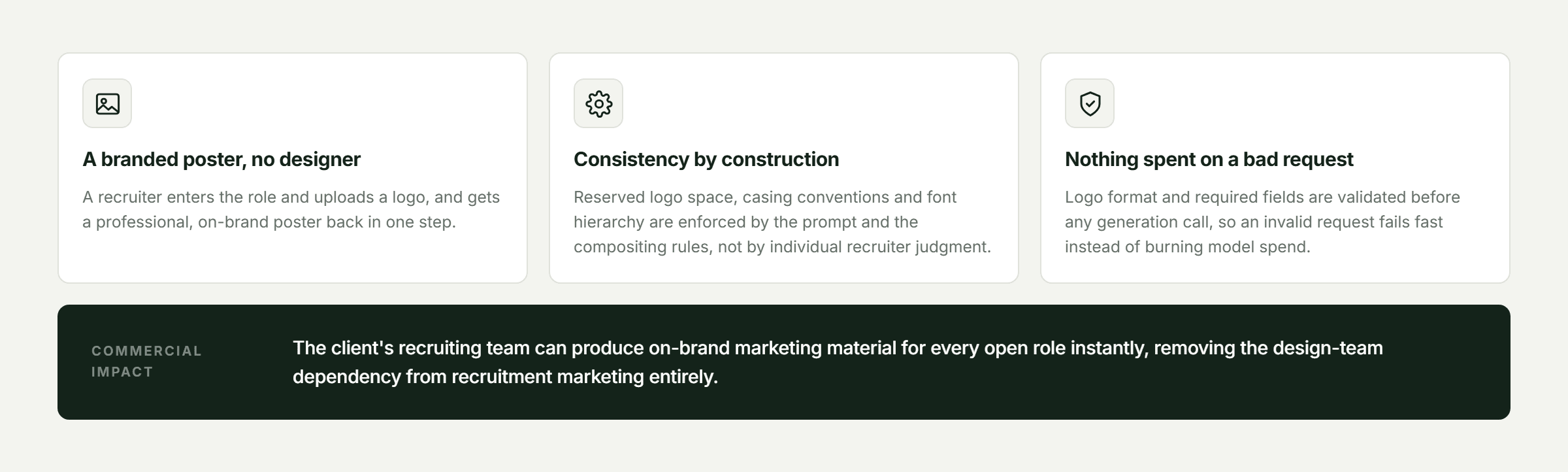
Figure 4 - Key outcomes from this engagement.
Recruiters generate professional, branded posters in one step, without needing design skills or waiting on a design team's queue.
Consistent branding across posters is enforced by the prompt and compositing rules rather than depending on individual recruiter judgment.

What it enabled commercially

The client's recruiting team can produce on-brand marketing material for every open role instantly, removing design-team dependency from the recruitment marketing workflow entirely.
WHY PFACTORIAL
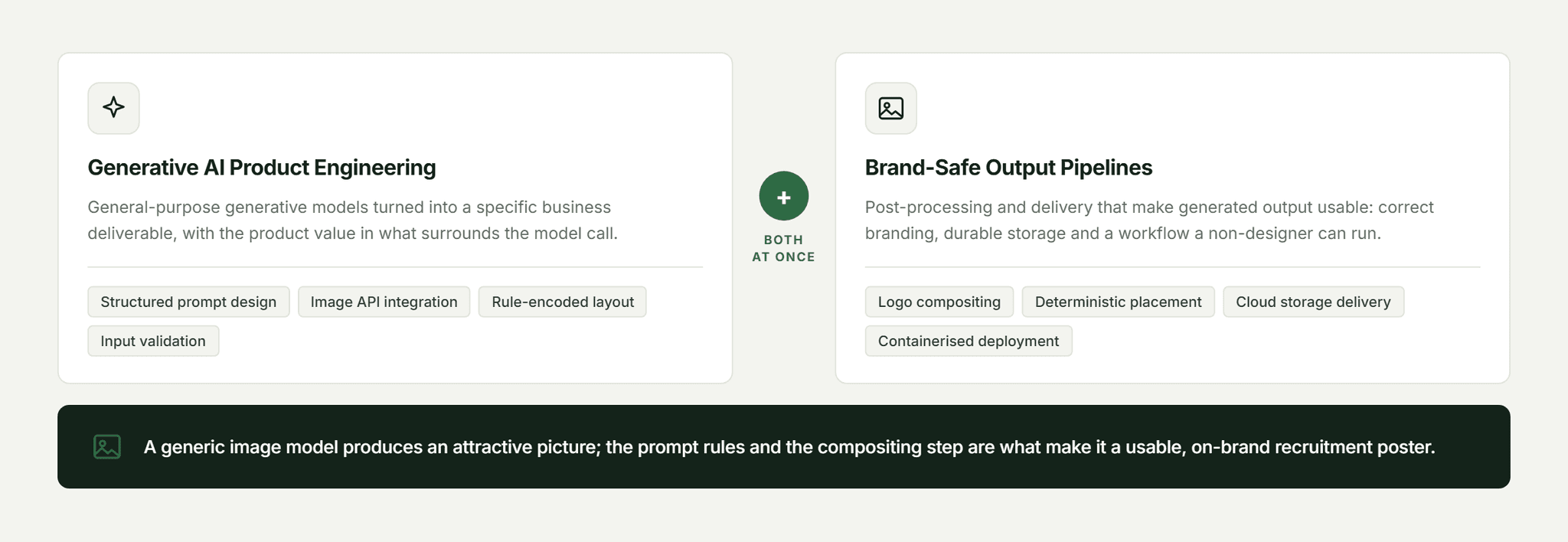
This engagement reflects Pfactorial's generative AI product engineering service line: wrapping a general-purpose image model in the prompt structure and post-processing that turns its output into a specific, usable business deliverable.
Pfactorial_Case_Study_Poster_Generator_Recruitment_Marketing image 5
Figure 5 - Service lines this engagement draws on.
Engagement enquiries Pfactorial Technologies works with HR and marketing teams that want AI-generated creative content without sacrificing brand consistency. If you're evaluating a generative AI content pipeline, we're happy to give you an honest read on scope and risk before anyone commits to anything. · pfactorial.ai
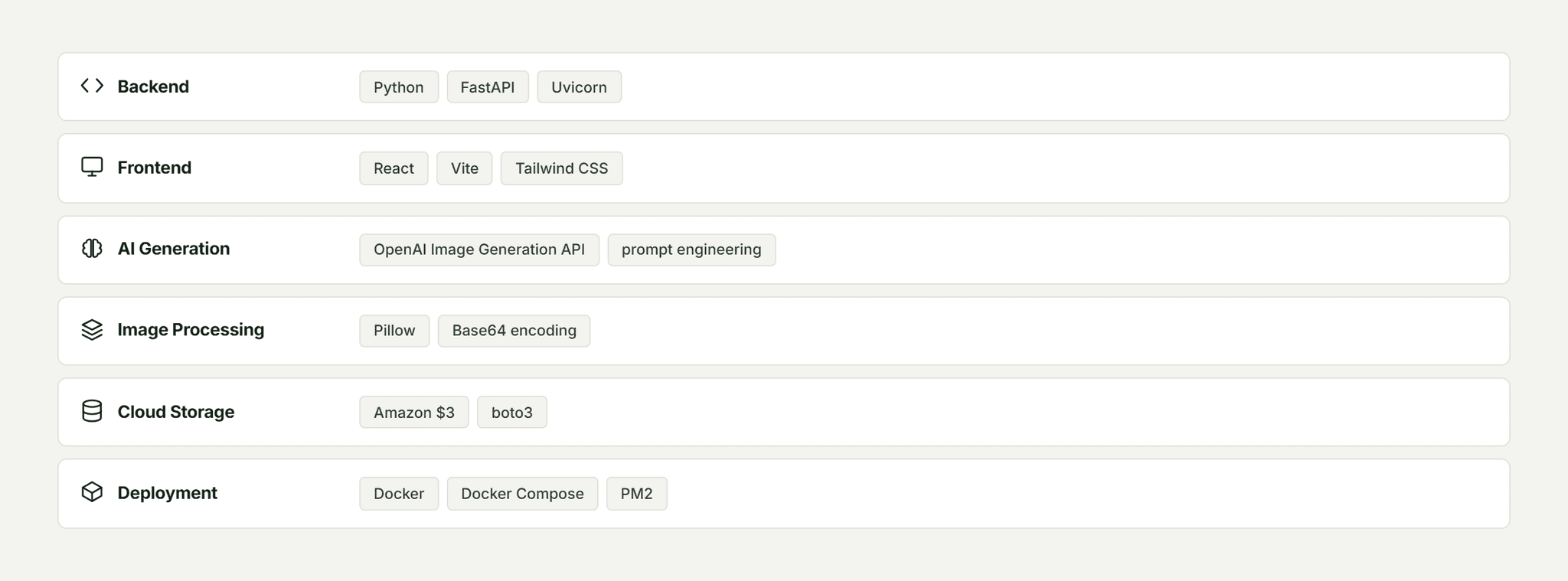
APPENDIX A - TECHNOLOGY STACK
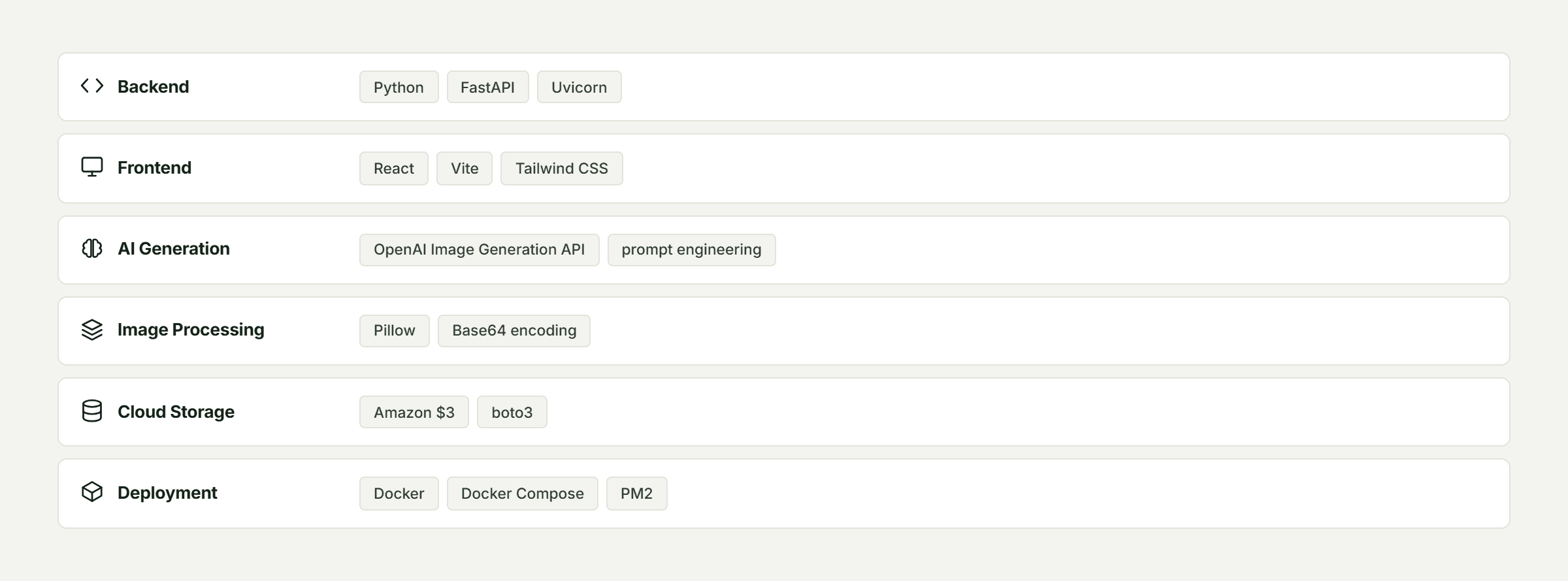
The technology stack underpinning the system, grouped by the layer it serves.
Pfactorial_Case_Study_Poster_Generator_Recruitment_Marketing image 6
© 2026 Pfactorial Technologies. Client identity and product-specific implementation detail are withheld or generalized; no client data, credentials, source code, or infrastructure detail is included in this document.

Result and Analysis

ENGAGEMENT SNAPSHOT

How Pfactorial Technologies built a tool that turns job details and a company logo into a professional, on-brand recruitment poster in one API call.

Pfactorial_Case_Study_Poster_Generator_Recruitment_Marketing image 1
Pfactorial_Case_Study_Poster_Generator_Recruitment_Marketing image 2
Pfactorial_Case_Study_Poster_Generator_Recruitment_Marketing image 3
Pfactorial_Case_Study_Poster_Generator_Recruitment_Marketing image 4
Pfactorial_Case_Study_Poster_Generator_Recruitment_Marketing image 5
Pfactorial_Case_Study_Poster_Generator_Recruitment_Marketing image 6